Words by Miranda Hill
Photos by
9-minute read
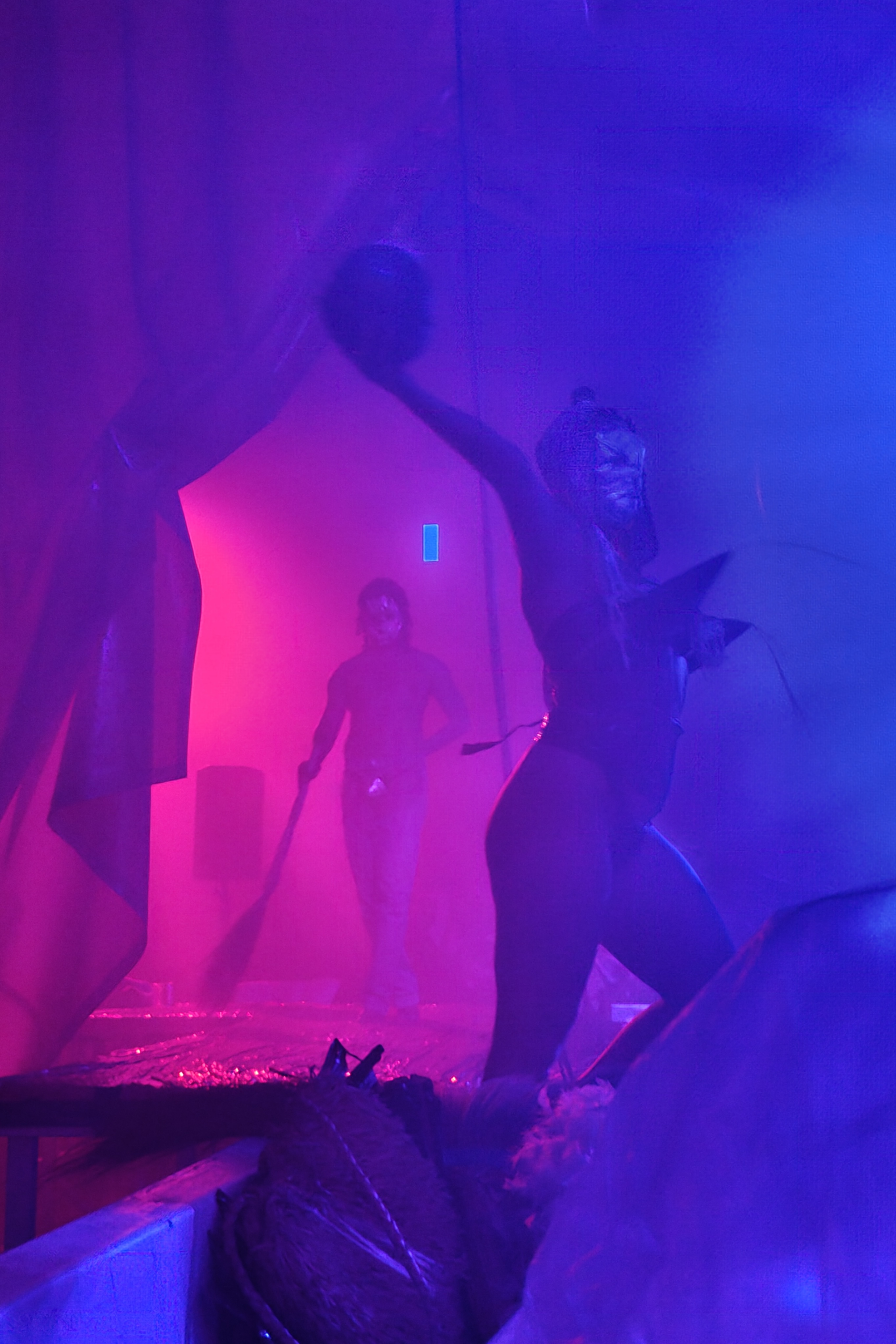
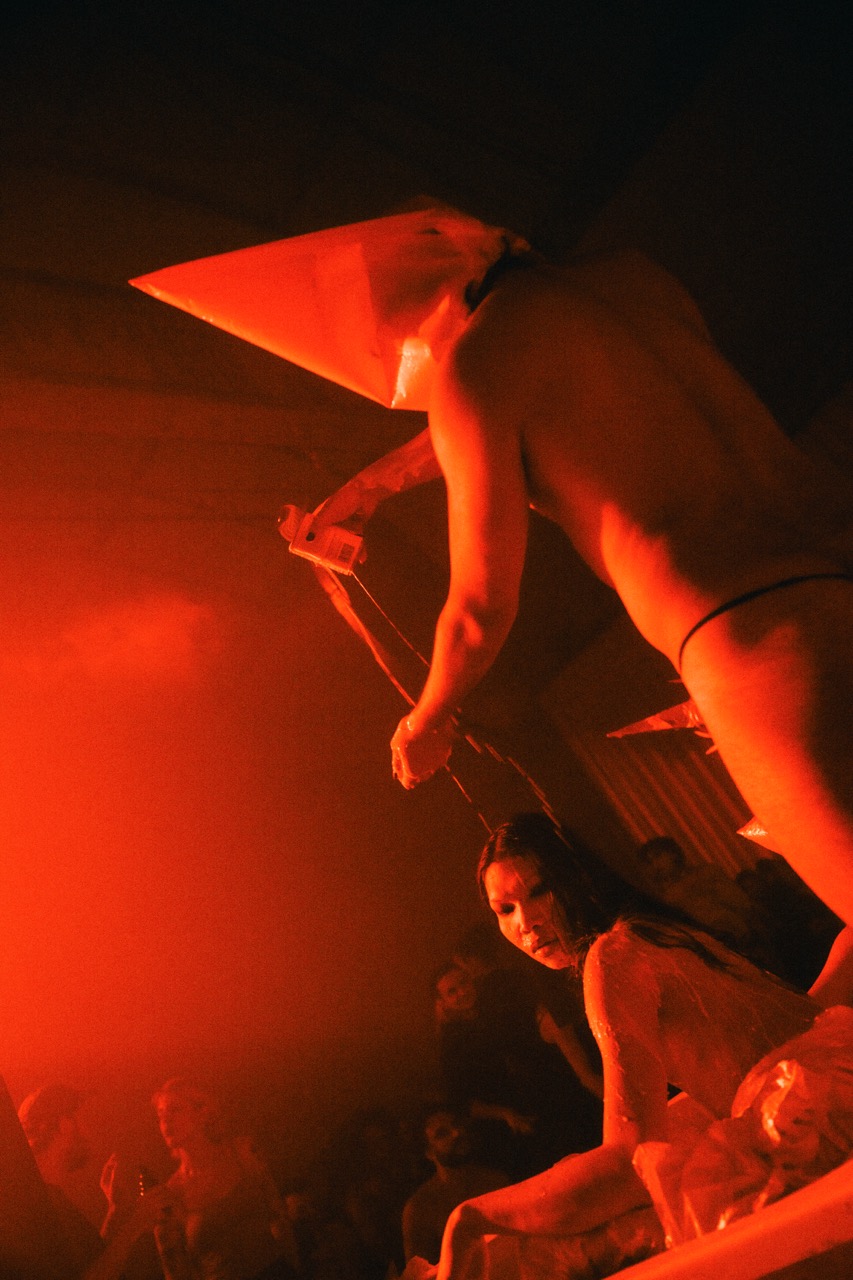
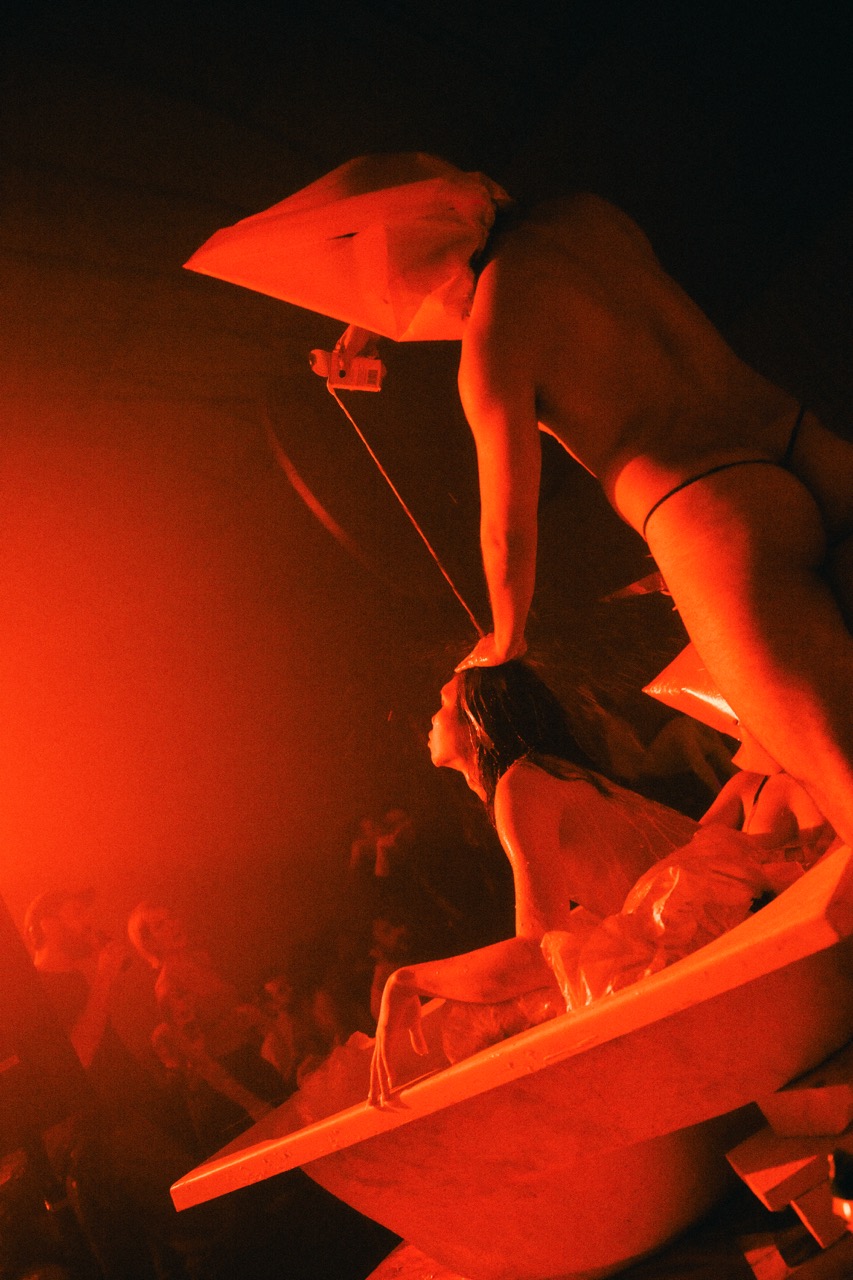
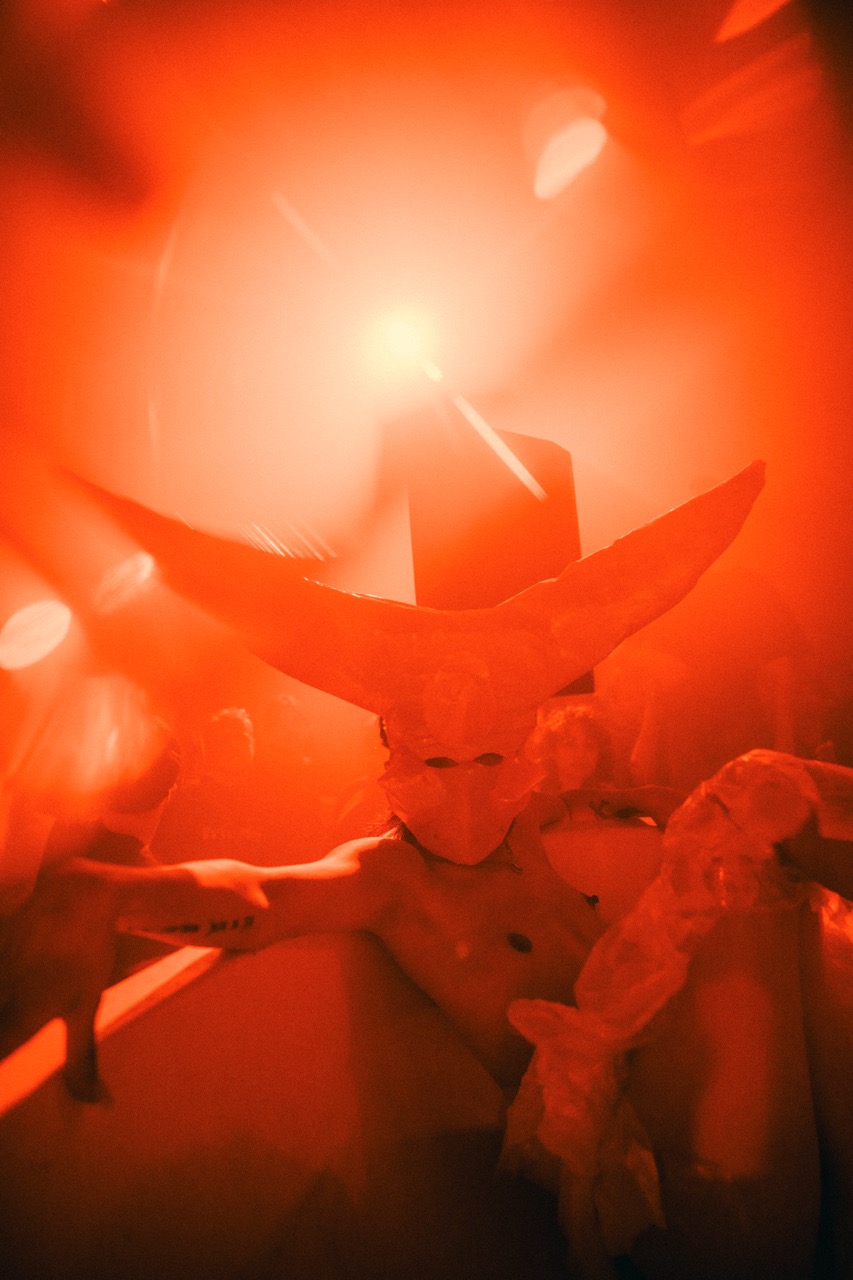
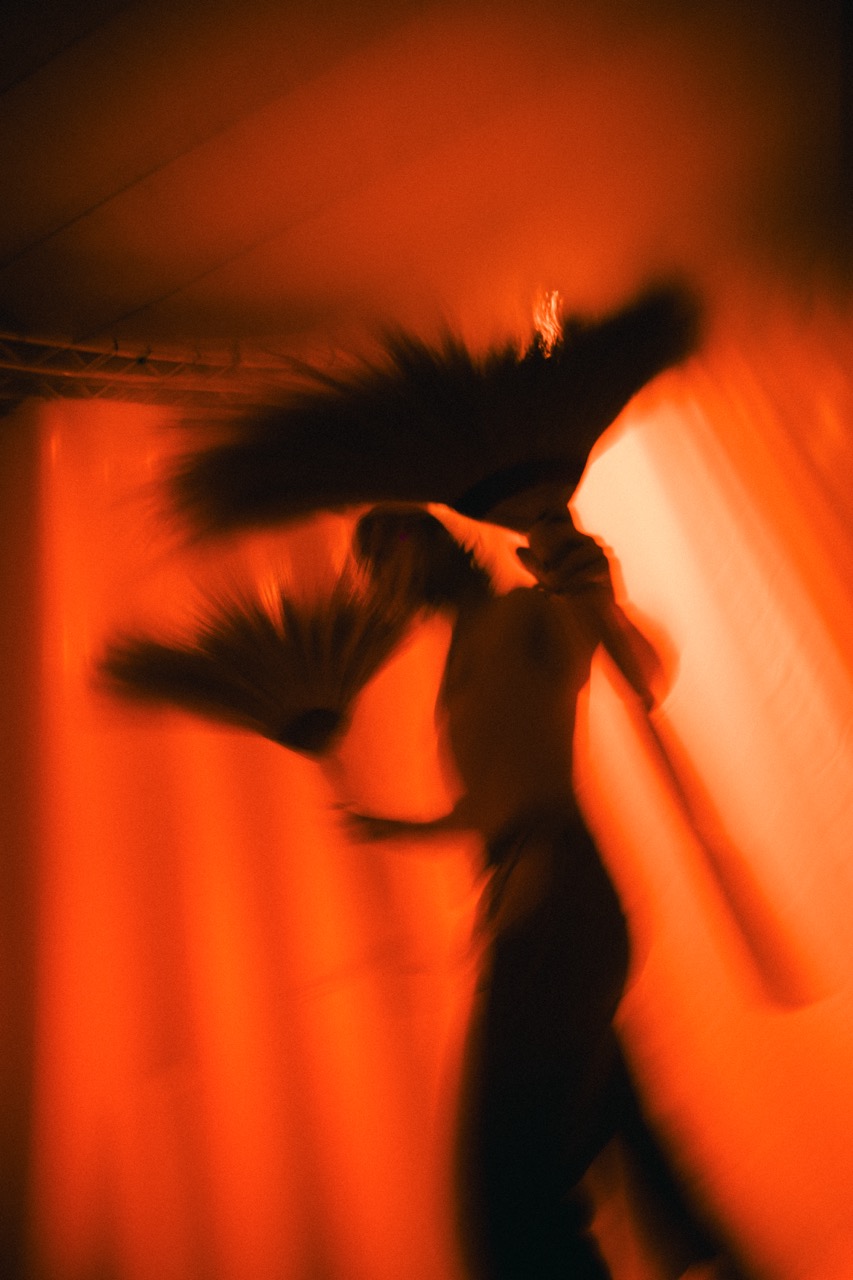
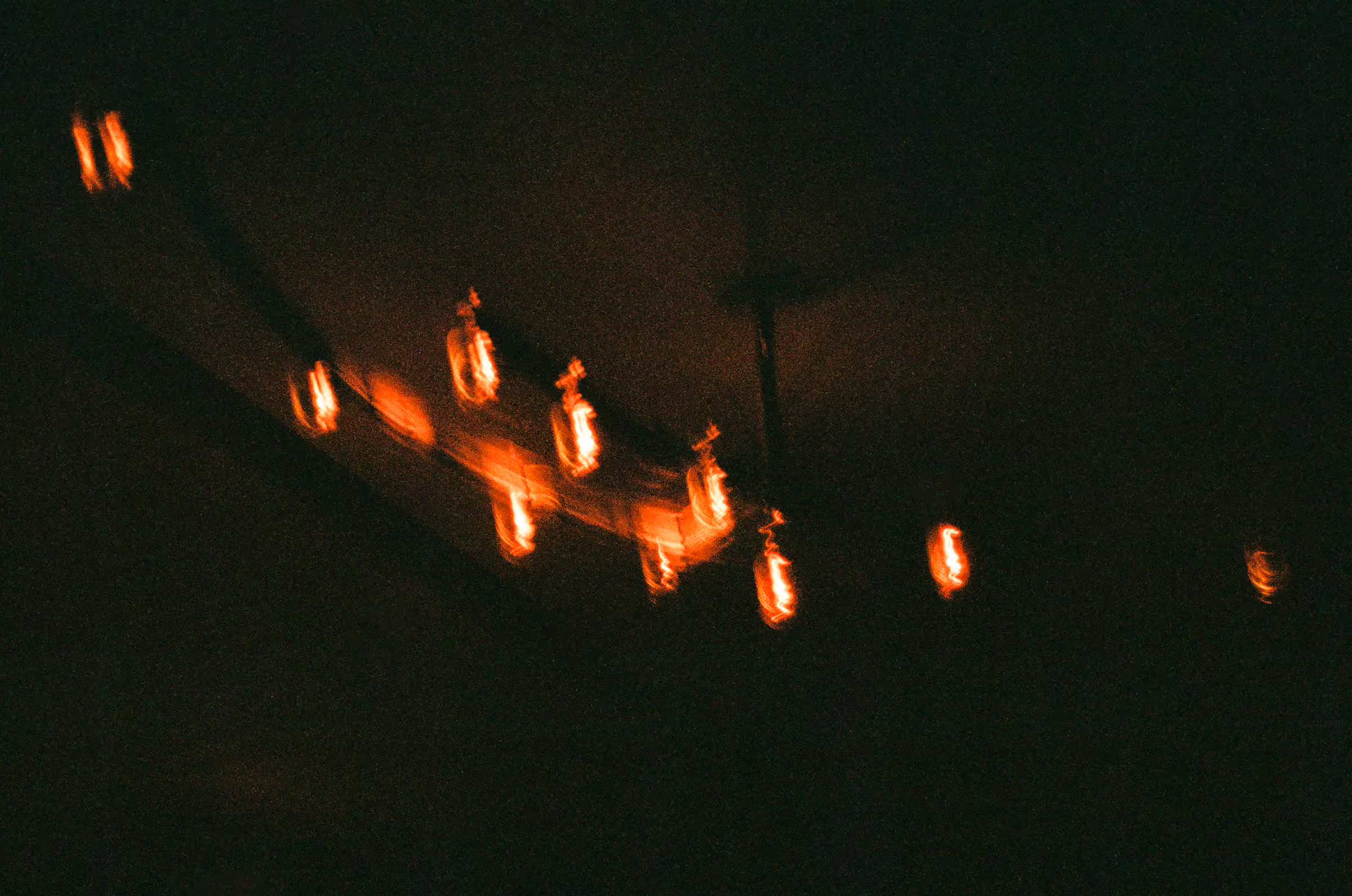
Apolemia takes its name from the longest known organism in the sea, a siphonophore and creature that exists not as a singular body but as a colony - many parts, moving as one. It has no fixed centre but grows, sheds, and regenerates, moving with the ocean in shifting formations and adapting to currents rather than resisting them. A state of being that runs parallel to the primary method for the collective’s nightlife events. Operating at the intersection of performance, clubbing and experimentation, they treat each event as a mutable body where installations breathe within the architecture, scenography spills onto the dancefloor, performances interact with partygoers, and the crowd’s movement becomes part of the work itself. This results in nights that leave their witnesses behind with dreamscapes of piñata chandeliers as bodies, DIY fashion rituals assembled from trash, and crawling creatures inhabiting the club’s architecture. During Apolemia nights, nothing remains fixed. Everything is afloat.
Apolemia takes its name from the longest known organism in the sea, a siphonophore and creature that exists not as a singular body but as a colony - many parts, moving as one. It has no fixed centre but grows, sheds, and regenerates, moving with the ocean in shifting formations and adapting to currents rather than resisting them. A state of being that runs parallel to the primary method for the collective’s nightlife events. Operating at the intersection of performance, clubbing and experimentation, they treat each event as a mutable body where installations breathe within the architecture, scenography spills onto the dancefloor, performances interact with partygoers, and the crowd’s movement becomes part of the work itself. This results in nights that leave their witnesses behind with dreamscapes of piñata chandeliers as bodies, DIY fashion rituals assembled from trash, and crawling creatures inhabiting the club’s architecture. During Apolemia nights, nothing remains fixed. Everything is afloat.
{{images-1}}
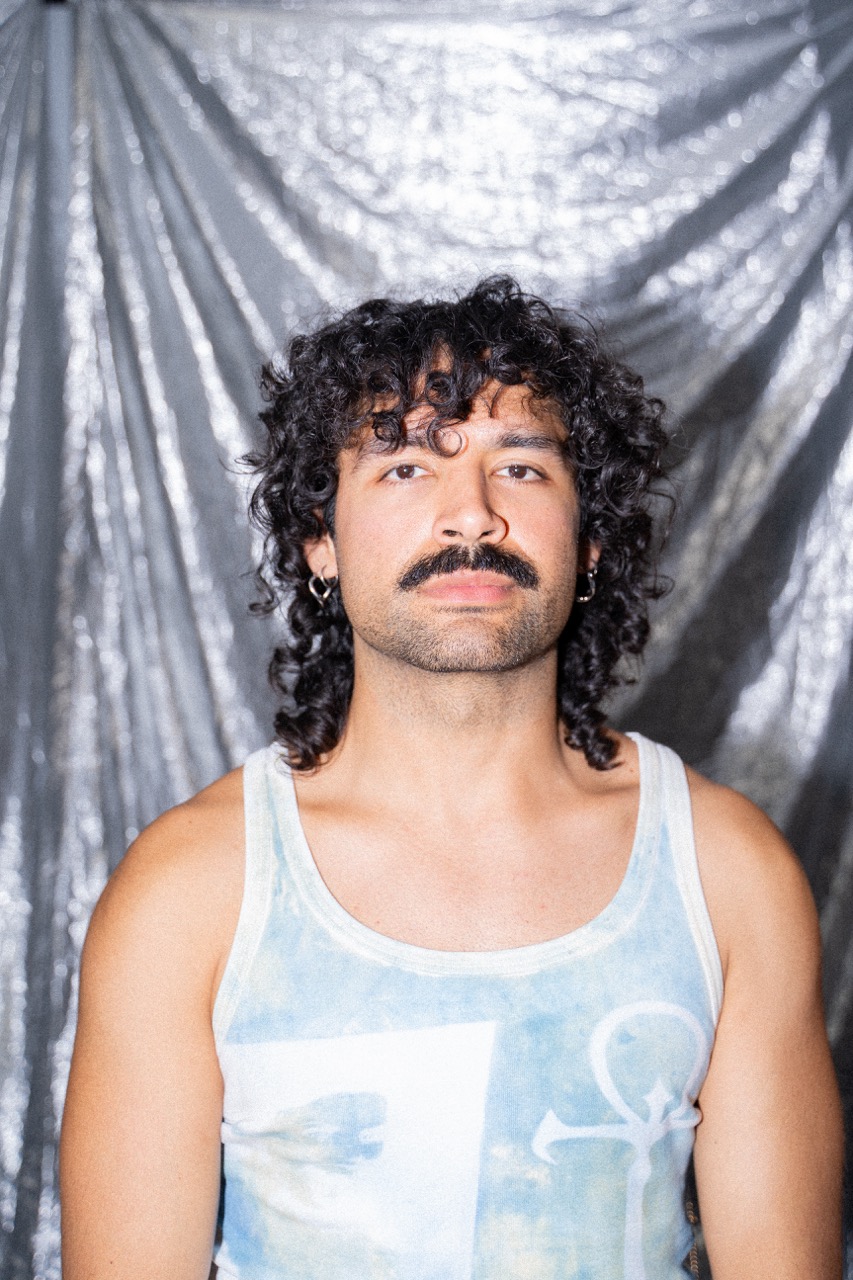
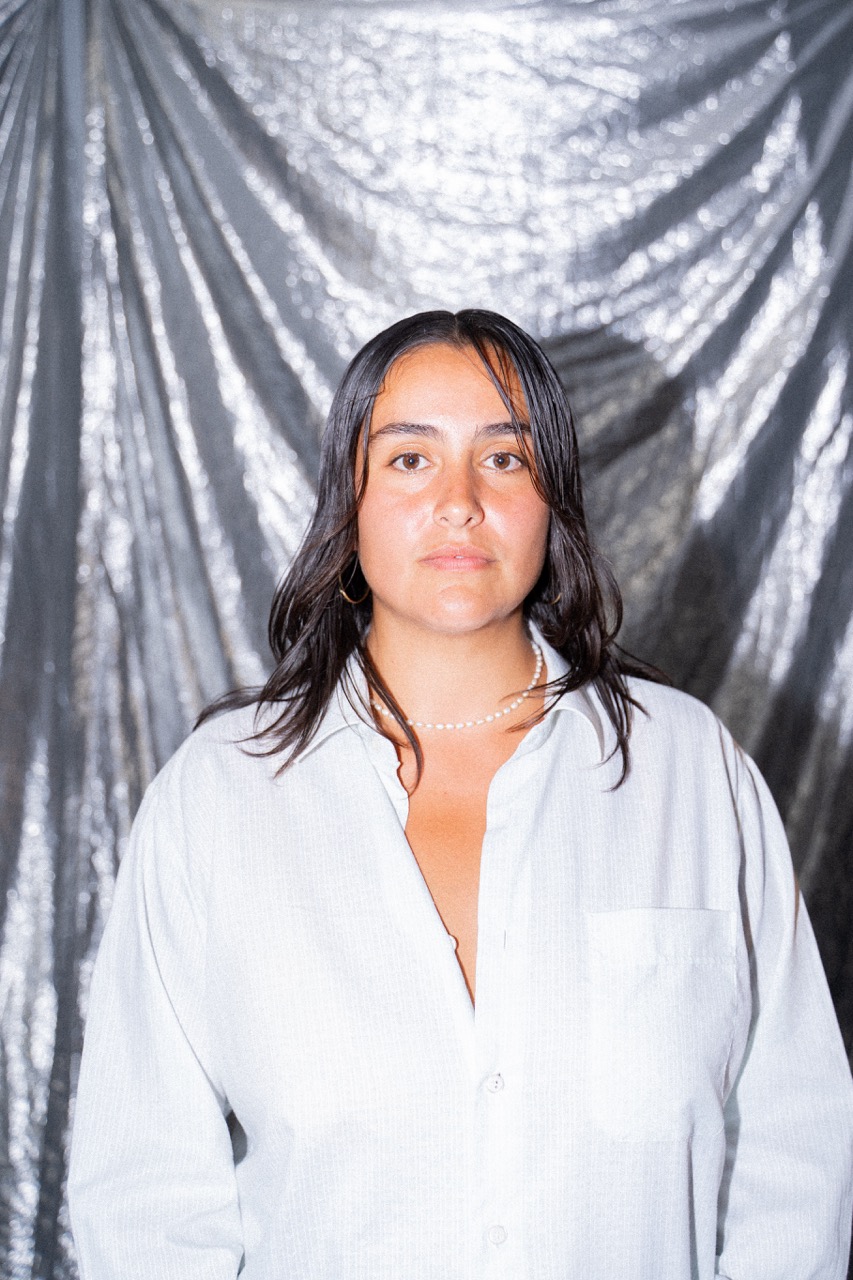
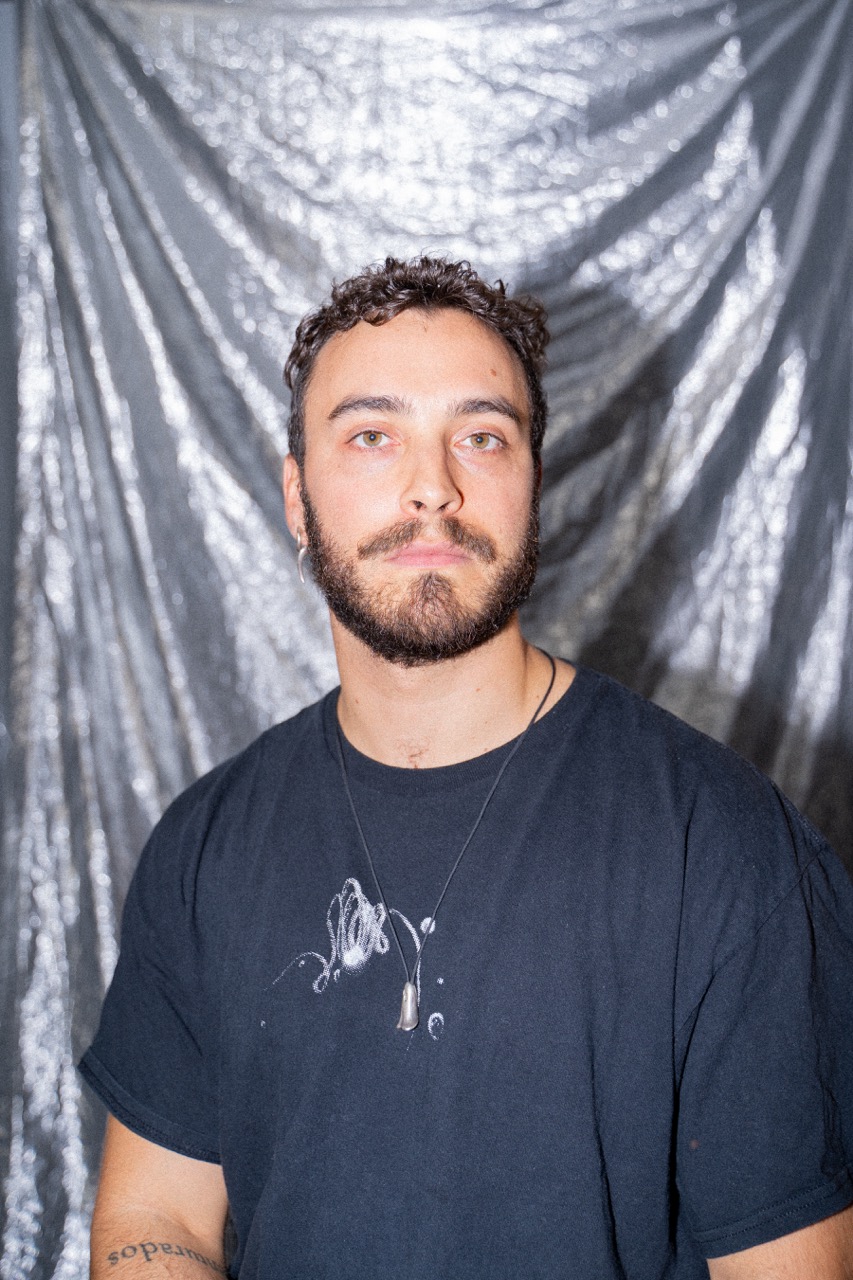
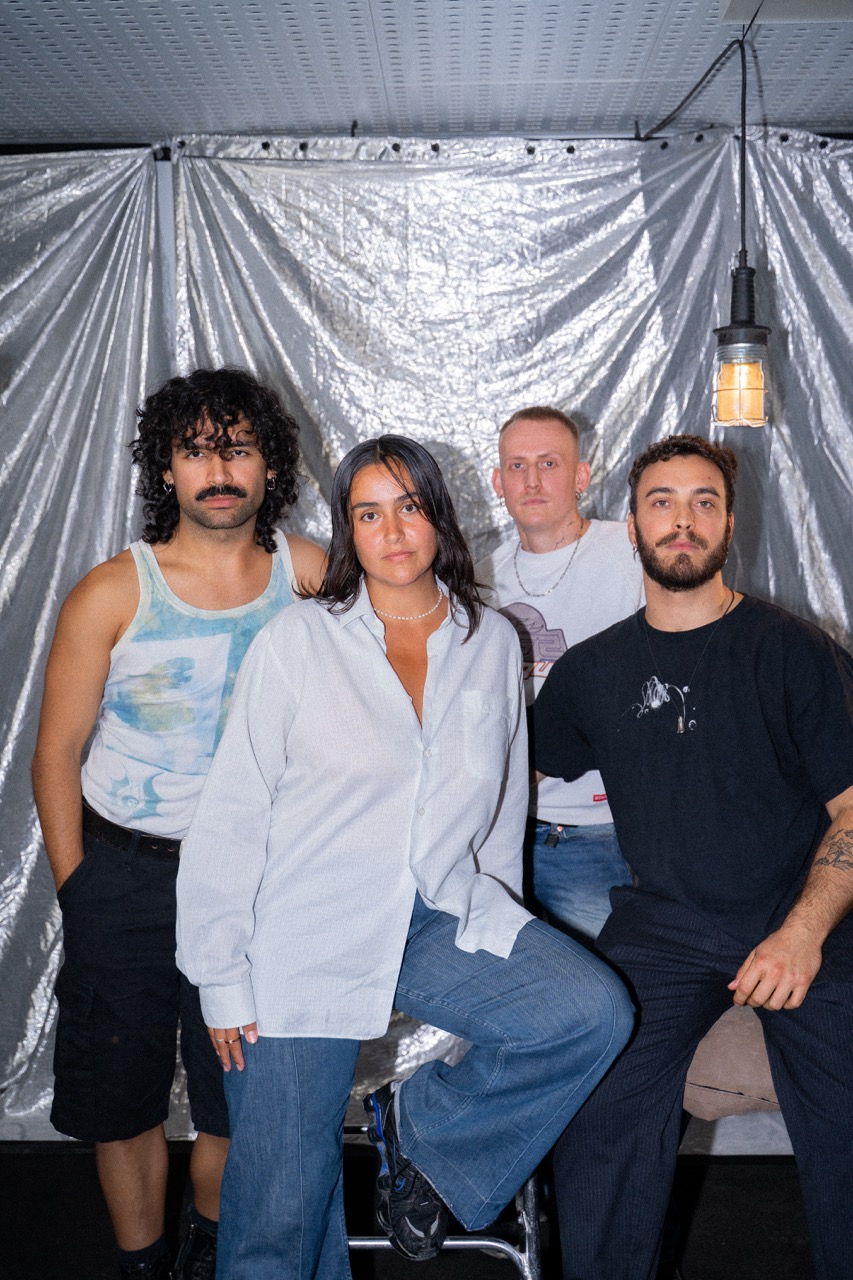
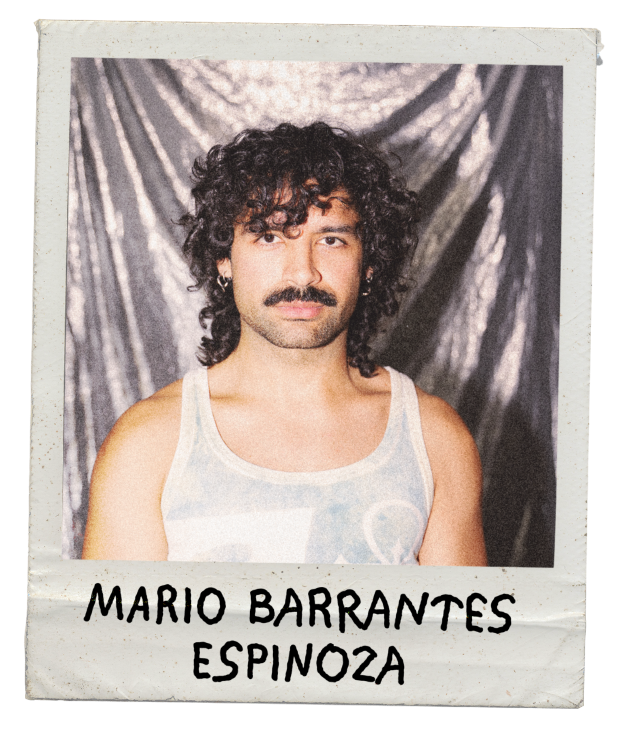
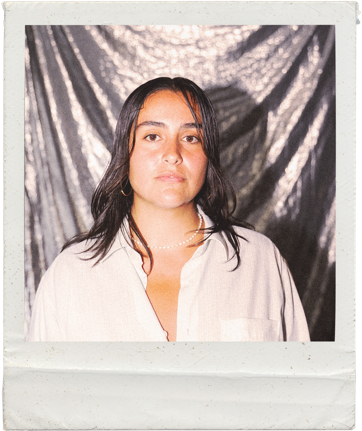
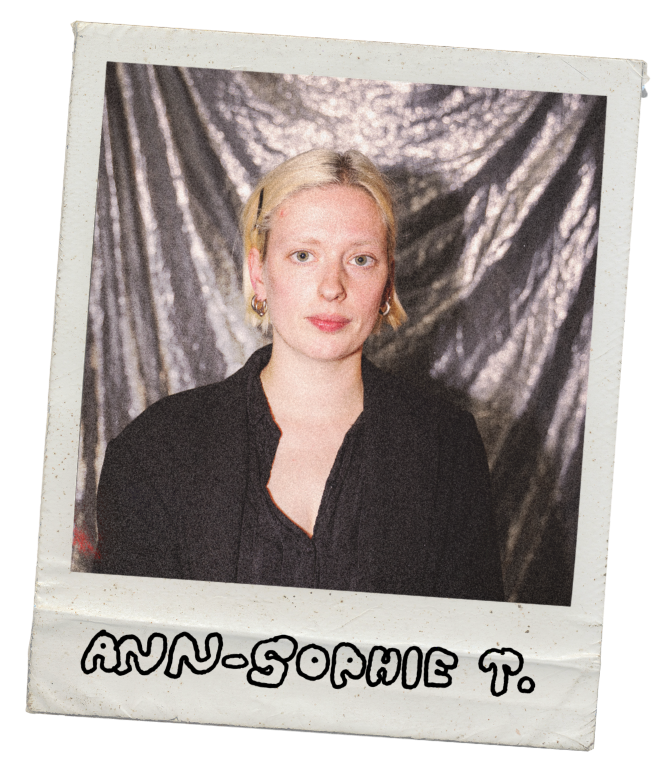
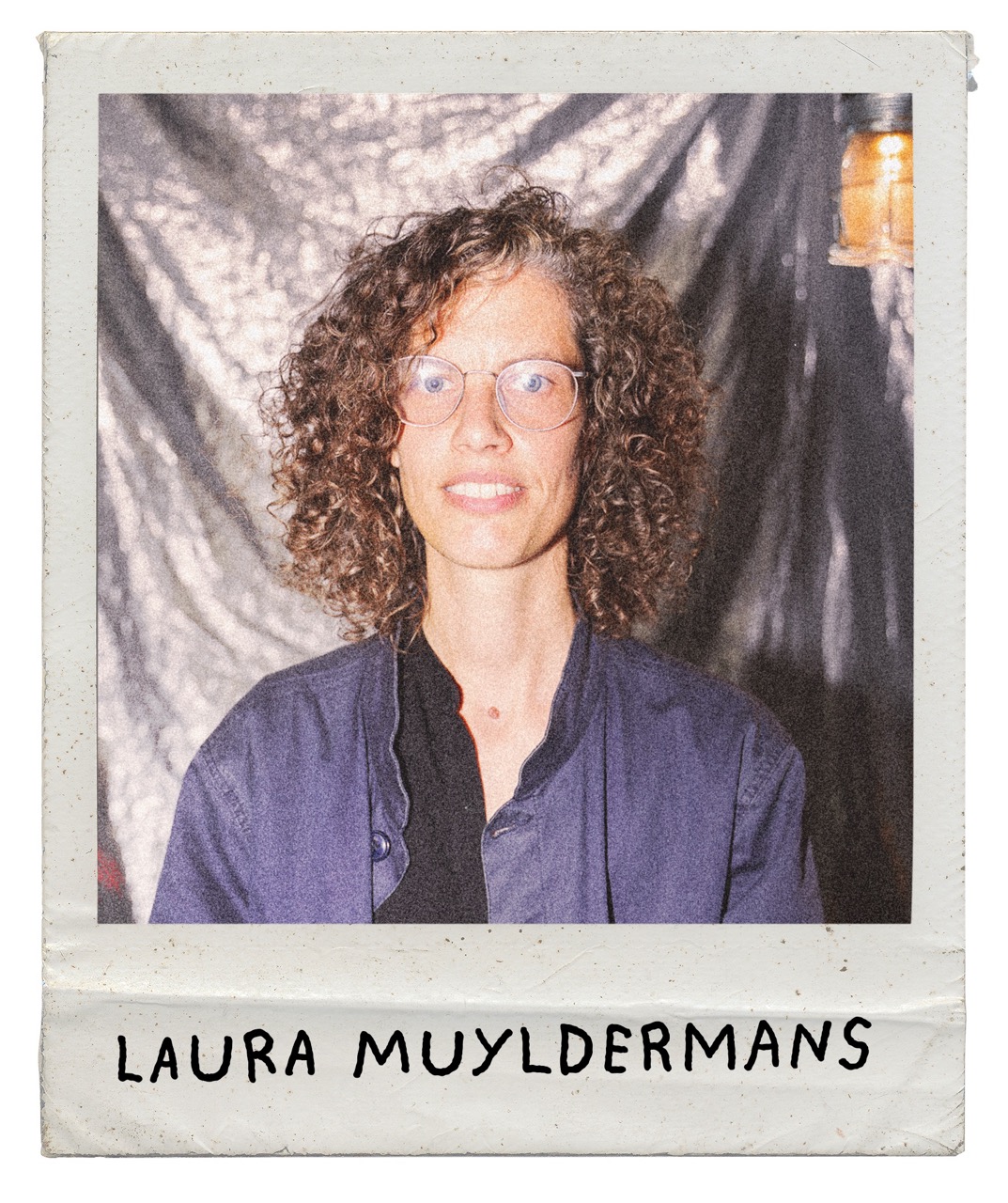
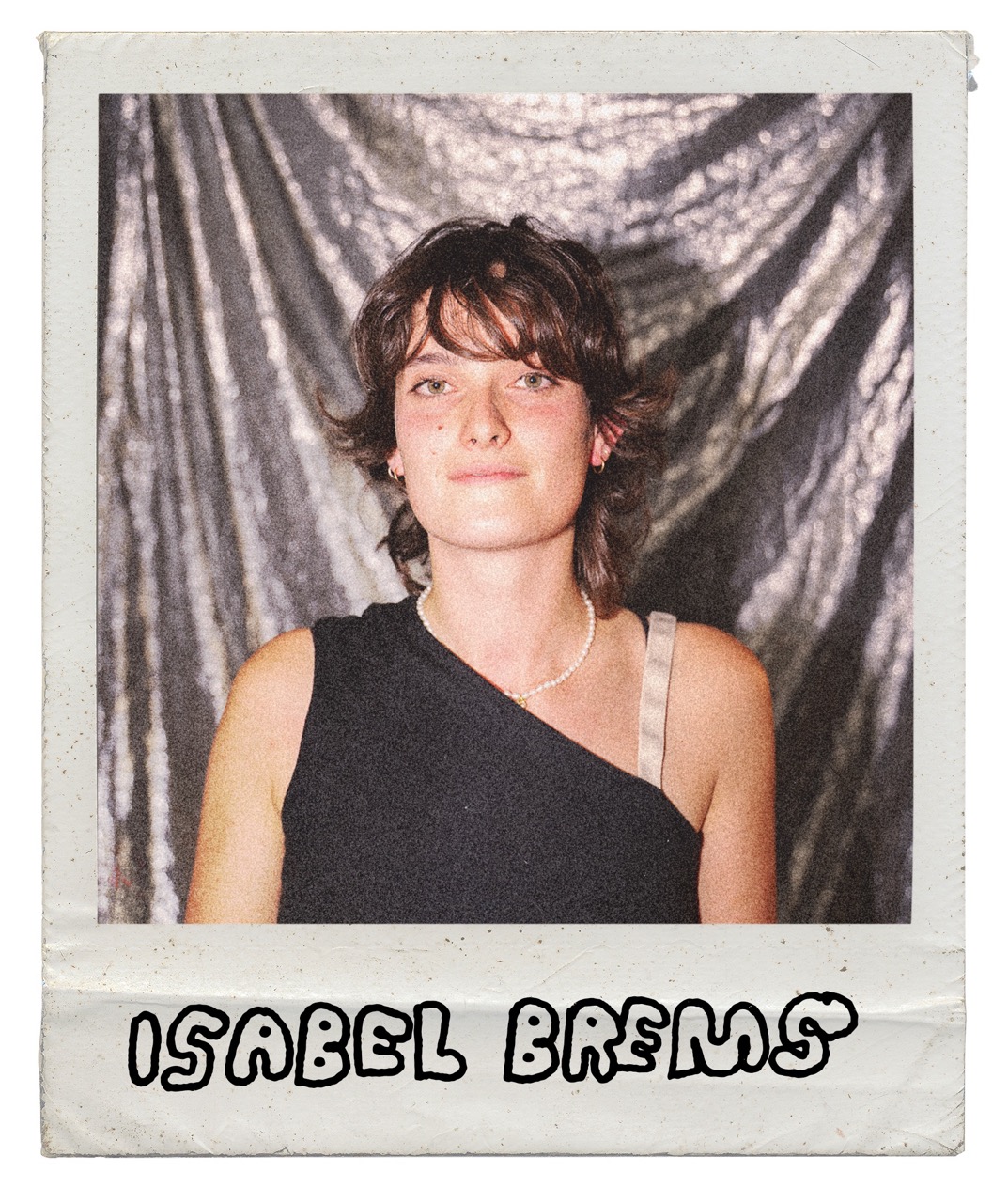
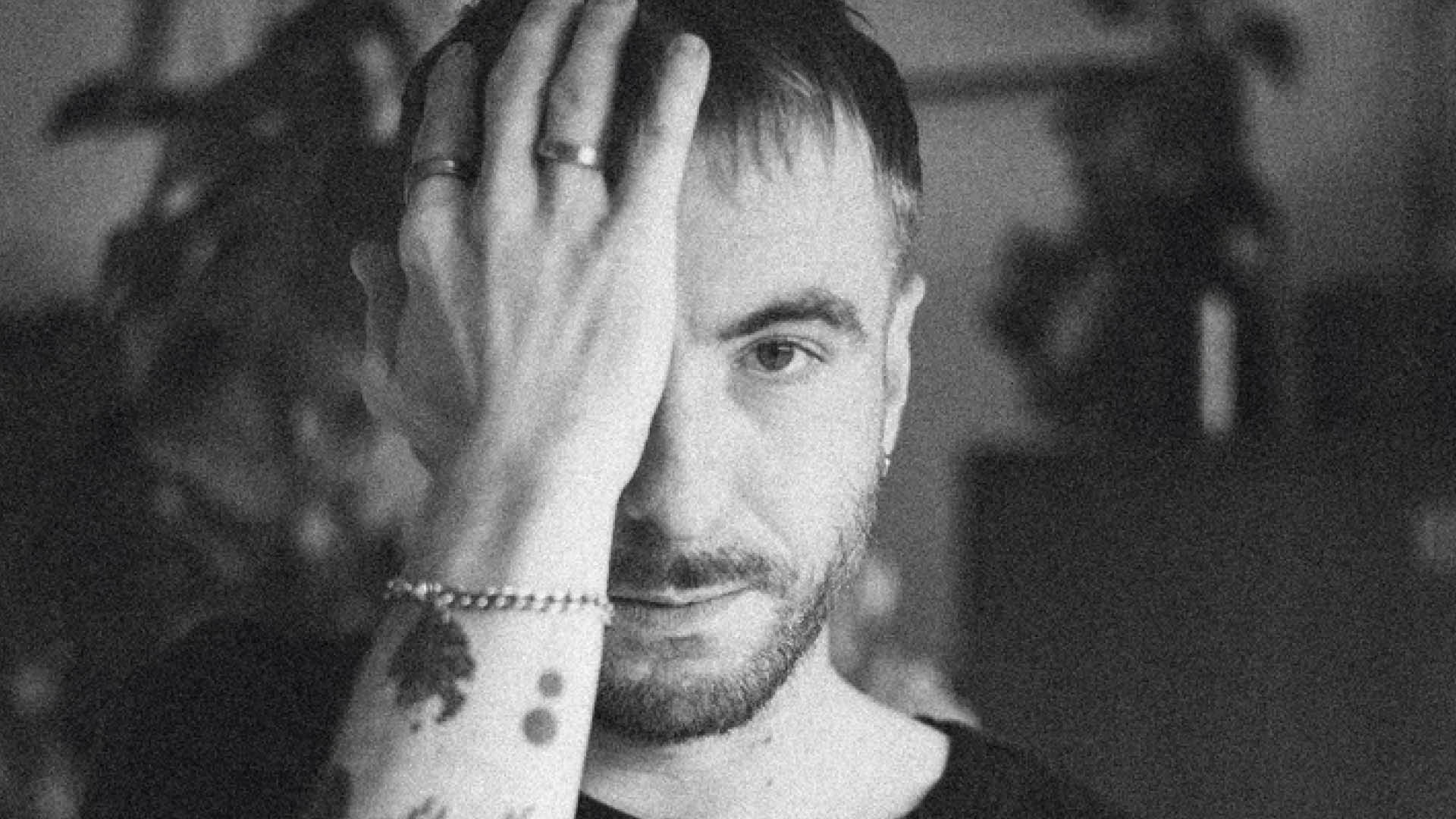
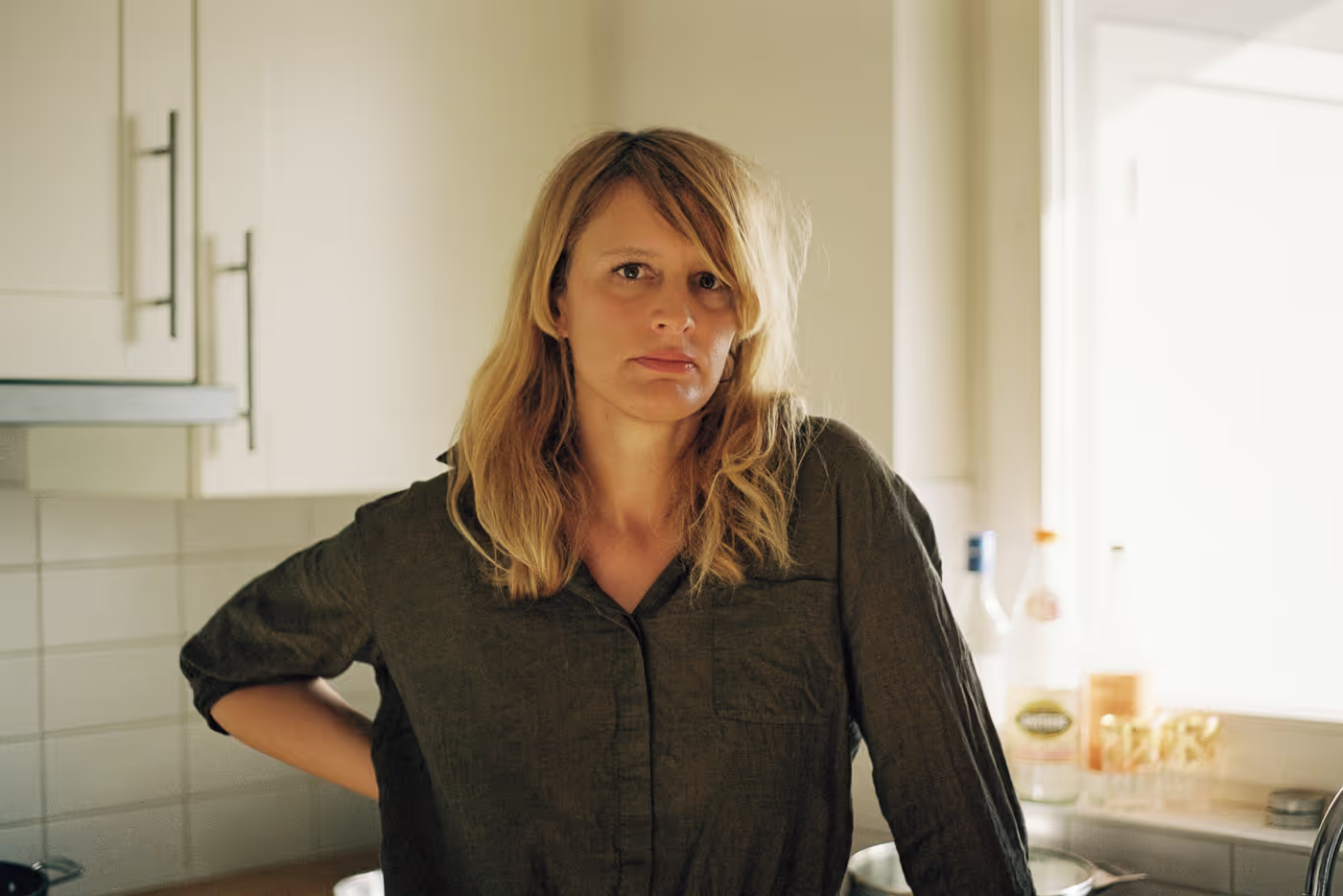
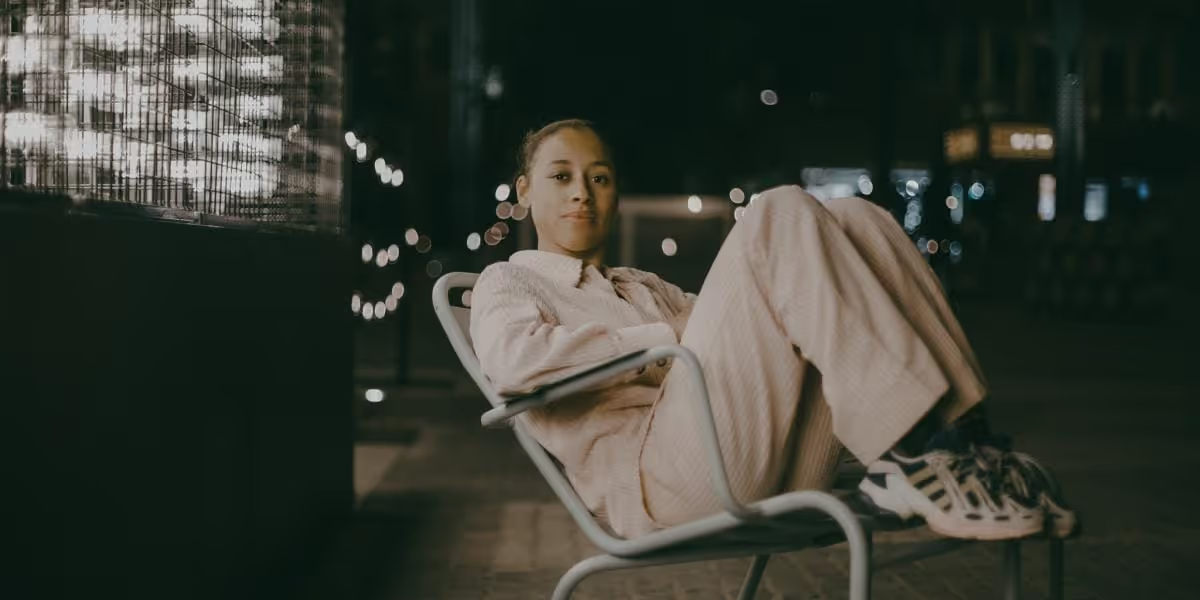
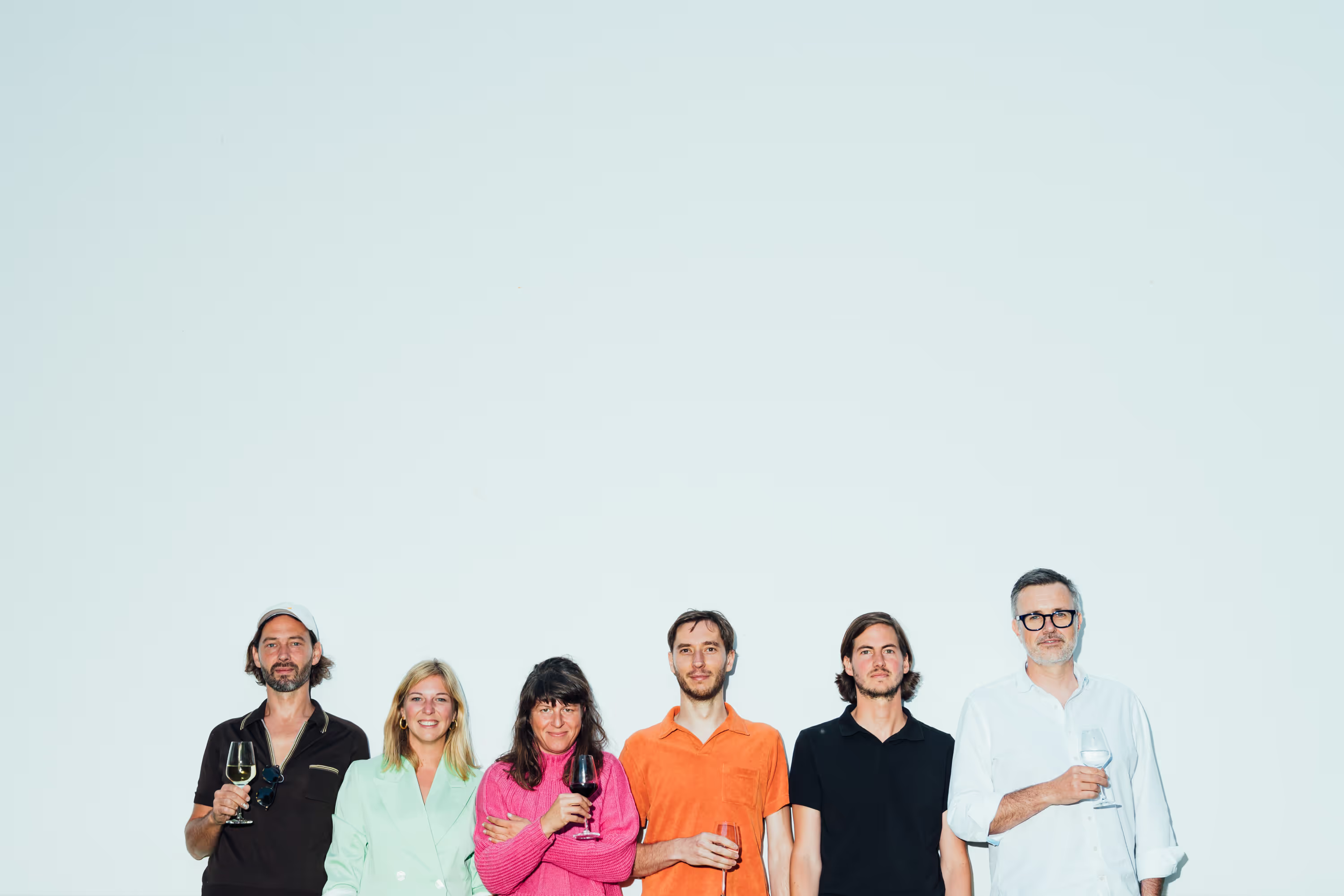
It’s in the midst of the preparations before the final club weekend that we meet the faces behind the organism. The collective - consisting of four members: Lydia McGlinchey, Mario Barrantes Espinoza, Martín Zícari and Pierre Bayet (Fake Moss) - are all interconnected by a shared love of nightlife, curiosity for what performance can become in the unconventional club context, and the proximity in their Brussels neighbourhood. They are quick to compare their home ground - the West Brussels scene - to a village, “at a certain point everyone starts to know everyone” Mario adds. “We talked about combining party with performance and just decided to try it and see where it goes”. Despite coming from different practices - music, sound, textiles, writing, performance, event promotion - Apolemia nurtures a symbiotic energy by giving space to each medium, from live performances to video and sound installations. They never limit themselves to a single practice. Each discipline must retain its specificity while feeding the larger organism.
{{Lydia}}
From the beginning, Apolemia refused to treat performance as an add-on. Instead, it sought to shift the ground on which performance unfolds. Coming from theatre and contemporary art contexts - where work is often developed for years in advance and presented within fixed institutional formats, Mario and Lydia were used to more structured performances and directed attention. “We needed an outlet where we could organise things on the spot” Lydia says, “a way to make work where not everything is predetermined”. Nightlife offered that different logic: improvisational, immediate, and responsive, where adjustments happen in real time as energy moves unpredictably between architecture, sound, and bodies. “We have intense 24 hours… it’s fusional”, Lydia laughs. “Things go wrong. We freak out, and then we solve it as a team, learn what needs to be done, and move on. Putting yourself out there and taking the risk is rewarding, despite the energy it demands”. And thus, rather than inserting performance into the club framework, Apolemia uses the party itself as a compositional space - a site where exhibition, choreography, and shared experience become one. What emerges is a fluid collective and party that never feels fixed, inviting participants to navigate the night on their own terms.

For Apolemia, the way attention operates in the club is precisely what draws them to it. Unlike the fixed, sometimes frontal attention of theatres or institutional spaces, attention here moves differently - it drifts. “People arrive at the beginning of a performance, leave, and return hours later. People aren’t looking in the same way” Lydia explains. A four-hour performance dissolves into dancing and then re-emerges. “We like this idea of transformation”, says Mario. The “sweet spot,” he adds, comes when something calls your attention without demanding it. “We’re not asking you to stay with us. You can look at us, you can ignore us”. In such instances, the performance becomes porous - less about spectacle, more about coexistence.
This drifting of attention and energy defines Apolemia’s residency at Horst Club. Joining in November last year, they approached the season not as three isolated nights, but as a three-part cycle unfolding across winter. Across these moments, their presence acts like a growing body within the club’s architecture: a site where bodies meet, play, experiment with form, and where performance reclaims nightlife as a shared cultural practice. This trajectory culminates at the Closing Weekend (14-15 March) and extends into a final piece at Horst's Arts & Music Festival in May 2026.
“We’re not asking you to stay with us. You can look at us, you can ignore us.” — Mario Barrantes Espinoza
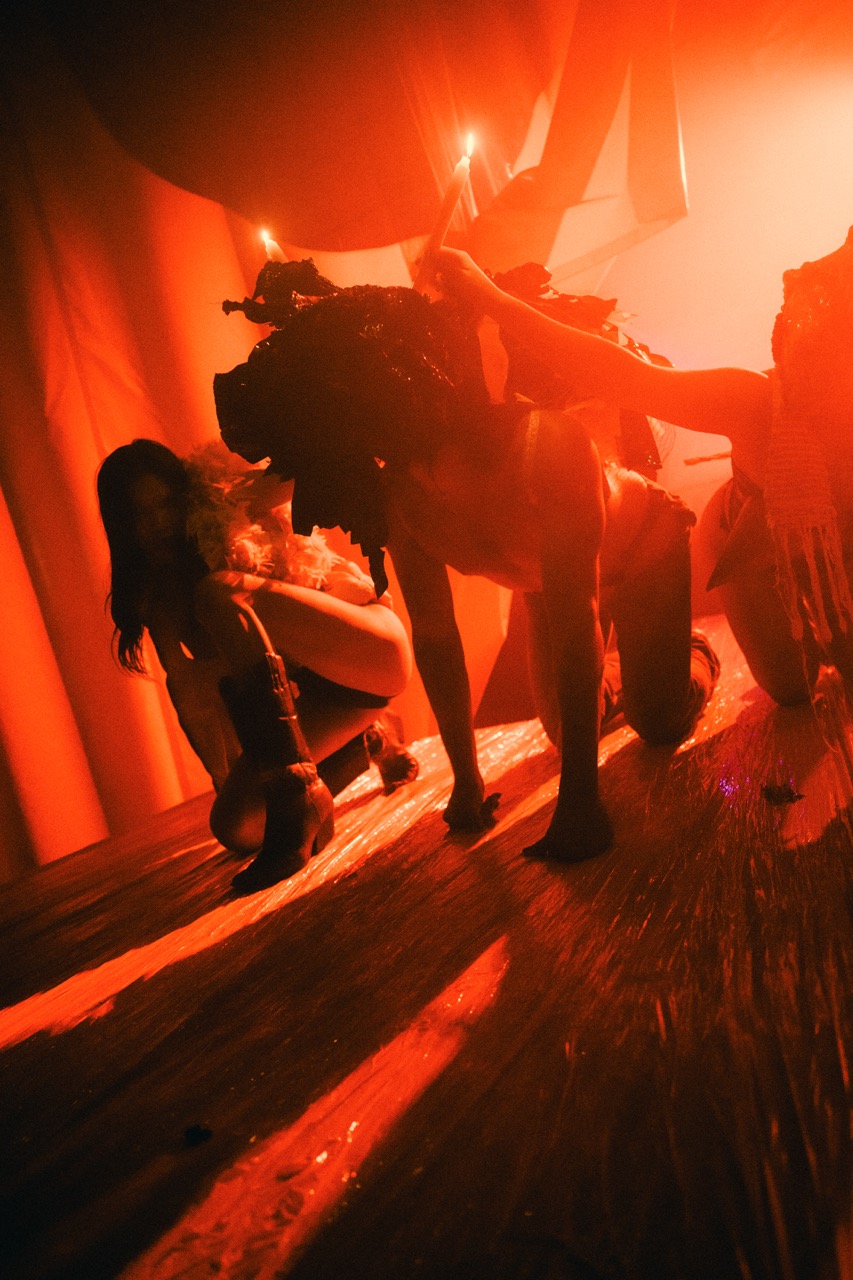
For Apolemia, each of their events is context-specific. The building, its materials, its rhythms, and the bodies inhabiting it contribute as much to the work as the performers themselves. And especially the club - a reclaimed landscape shaped by industrial remnants and soft transformation - resonates with their interest in spaces where the artificial and organic collapse into one another. That open playing field has pushed the group to use the space in different ways – hanging from its beams, turning bodies into temporary sculptures, crawling across concrete as if testing new ground; all while costumes are touched, sometimes claimed by the audience; and boundaries between artwork and participants soften. In such instances Apolemia claims the architecture itself as a mutating habitat. “We’re interested in how performance can engage primarily through space,” stresses Lydia. “Using the height of the space to hang, versus being on stage, creates a different way of connecting with the audience. On the one hand we’re chandeliers; on stage, we’re connecting with the party.”
“In clubs, play functions differently,” Mario adds, “it feels less rigid, people are more open.” Where theatre often relies on structure and separation, the club introduces a different set of rules that embrace proximity, play, and negotiated intimacy. It is this responsiveness - the chance to be shaped by the space as much as shaping it - that drew Apolemia to the Club as a laboratory for testing ideas.
{{slider-1}}
That idea of the laboratory doesn’t end at the limits of the dancefloor, but even spills over onto the toilet floor. As during the Closing Weekend, Pierre Bayet (Fake Moss) presents One Night Only, a sound installation in the club’s toilets – another liminal zone where public and private converge and where sounds will surface sporadically, drawing listeners into brief, vulnerable exchanges rarely heard in public. Pierre explains, “created with Emil, a trans-femme and sex worker from Melbourne, the work explores the acoustics of intimacy. Close friends, both HIV undetectable, we use this shared position to reflect on moments of encounter Emil has with lovers and clients.” For Pierre, the site is crucial: toilets are spaces where countless hidden negotiations unfold during a party. “The installation brings audiences into someone else’s intimacy sonically - often straight men speaking openly about their sexuality often considered taboo, and encounters rarely discussed in public discourse, having sex with a trans person.”
Across the residency, Apolemia has continually returned to transformation as a key method. Lydia explains, “just as music shapes what a party can be, performance can do the same. Clubbing has undergone enormous commercialisation and standardisation. It’s important to stage these works in a way that rethinks or reactivates clubbing as an important cultural experience.”
They are right to insist that the club is a site of cultural significance - a place capable of discomfort, reflection and shared intensity. For them, the final night at Horst is not a conclusion but a threshold, like a siphonophore extending into deeper waters. At the festival, Apolemia will curate their own stage with music and performance, and will invite new artists and disciplines into the constellation. As the organism expands again and continues to test its limits.
{{images-2}}
They are quick to add that what changes after the residency are the working rhythms. “Organising events versus inhabiting a residency is very different” says Mario, “but the hunger remains. We’ll go back to our own Apolemias and continue exploring and pushing boundaries.”
If Apolemia has demonstrated anything across this cycle, it’s their refusal of fixed form. The collective grows through seasonal phases, emerging, mutating, and then transforming. When each party ends, it clears space for another beginning. True to its name, drifting through the murky waters, Apolemia continues into its next phase – many bodies, moving as one. Pierre smiles, “We’re excited. Hopefully it works.”