ON
VIEW
VIEW
Arts 2026

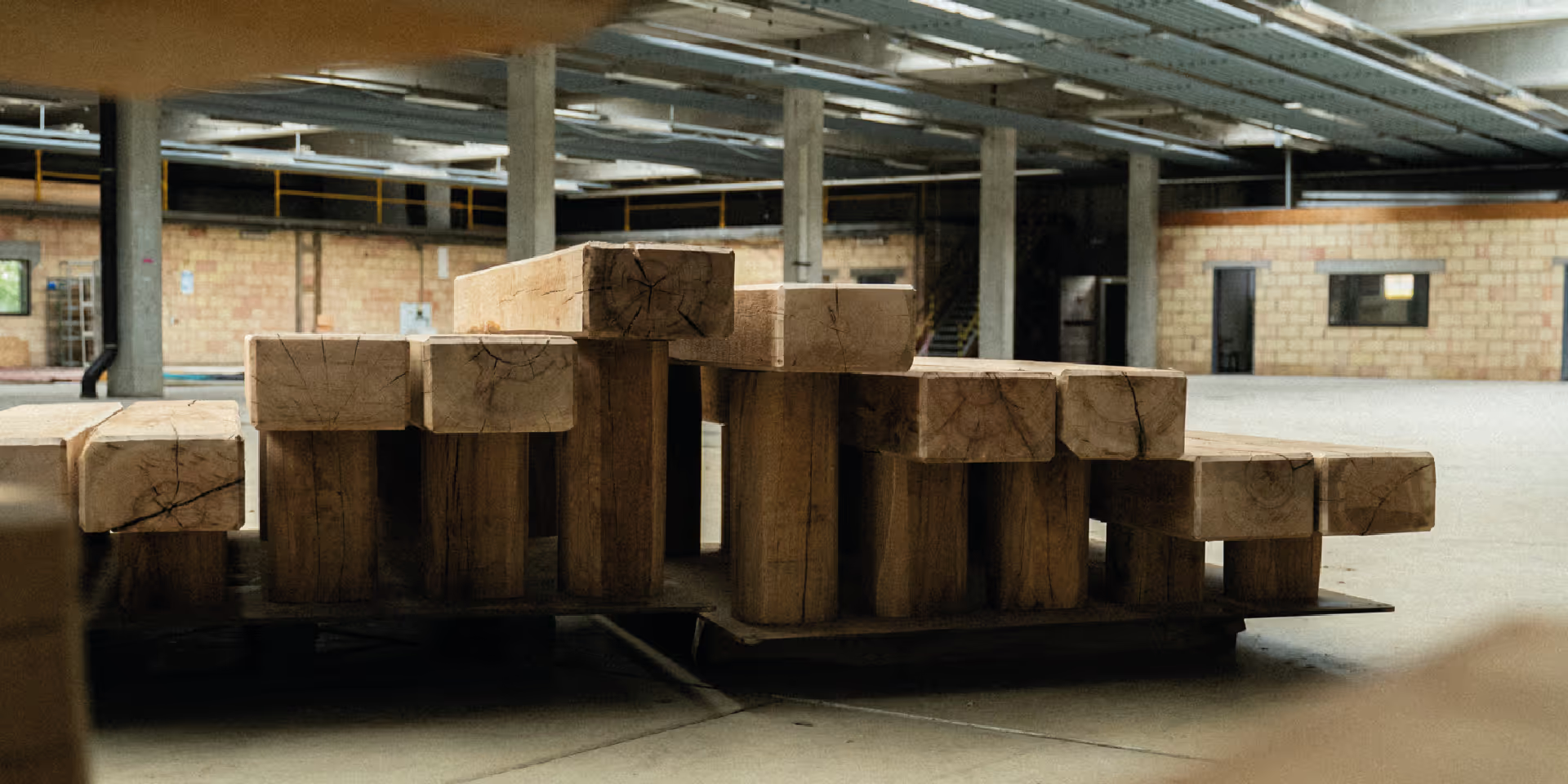
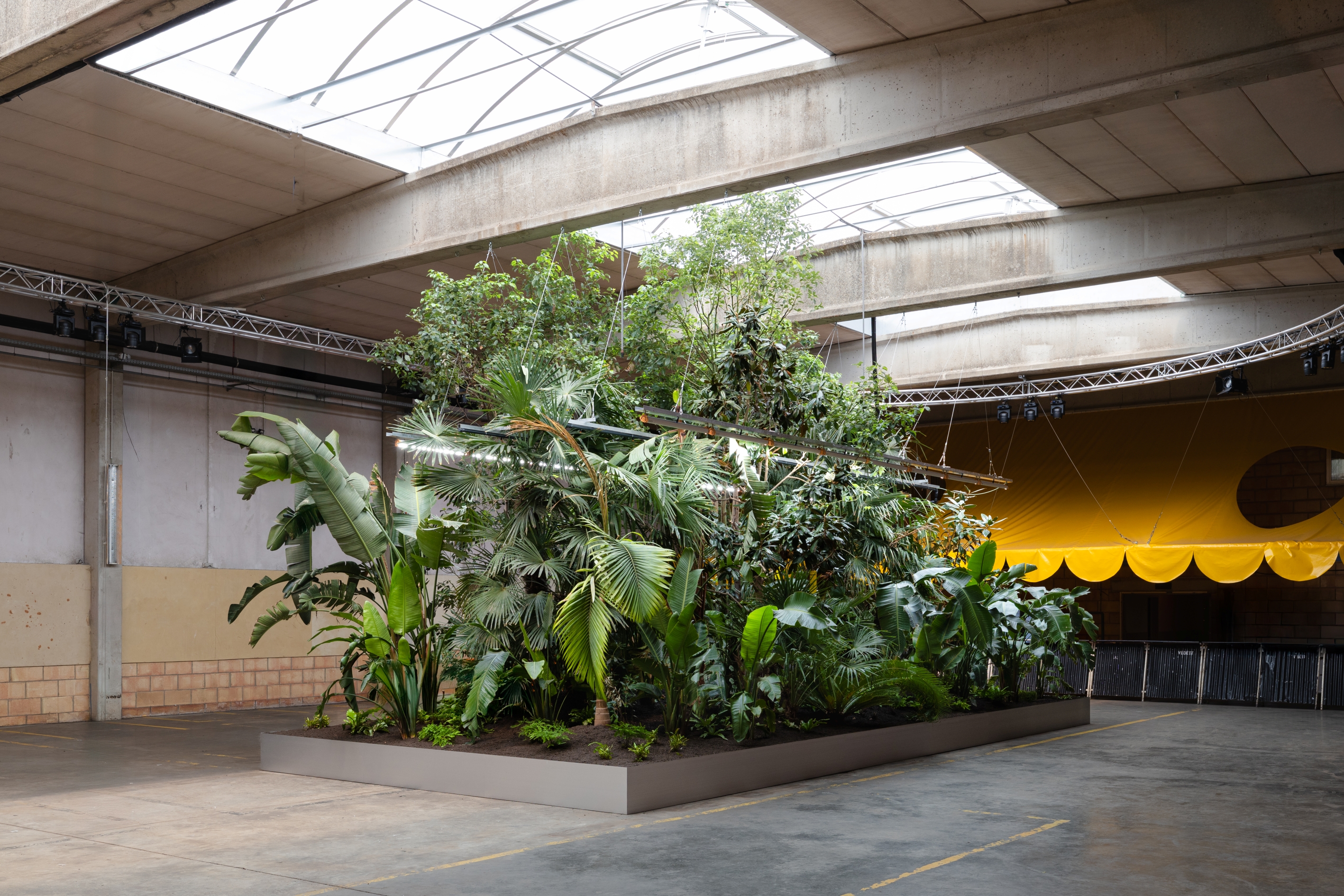
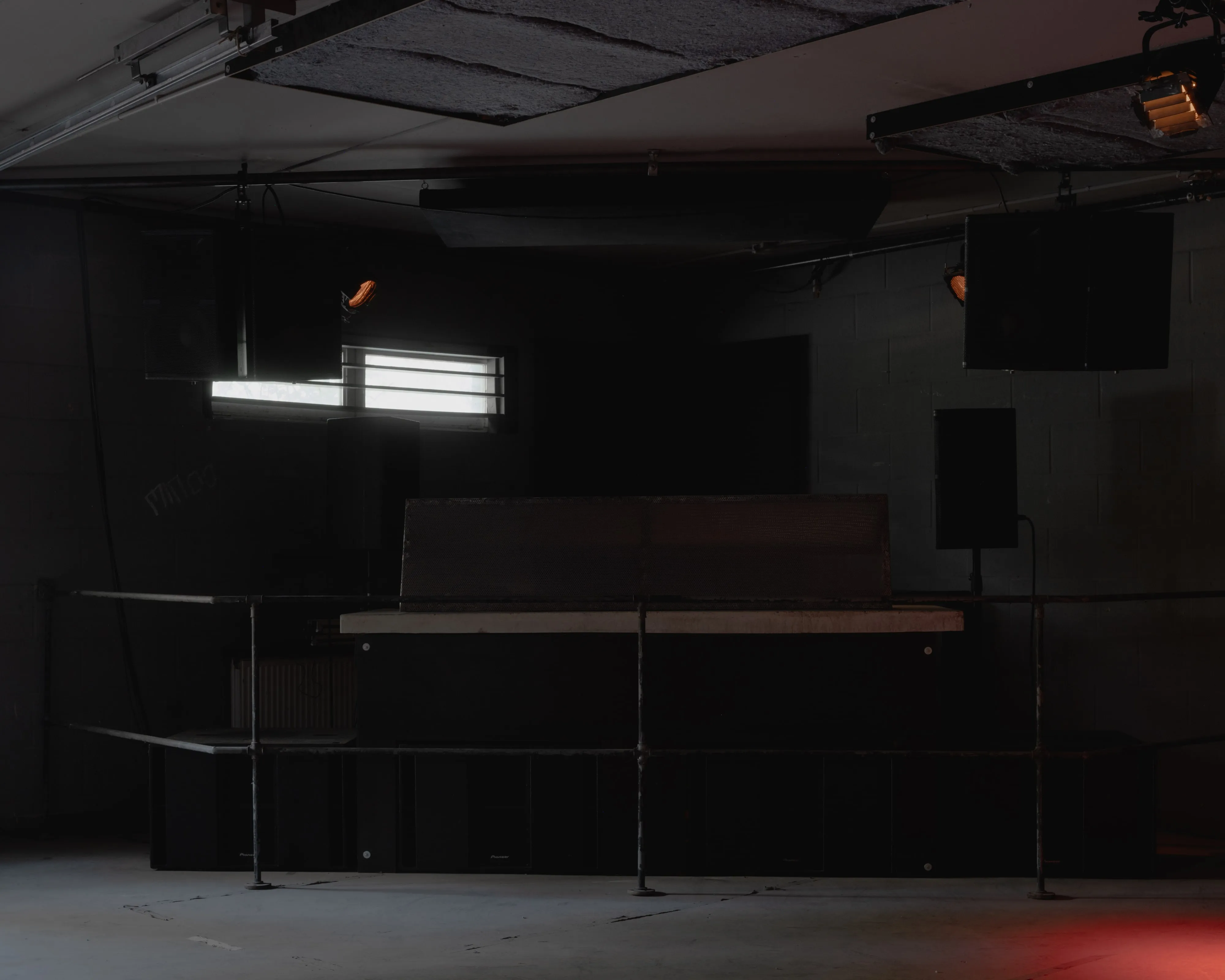
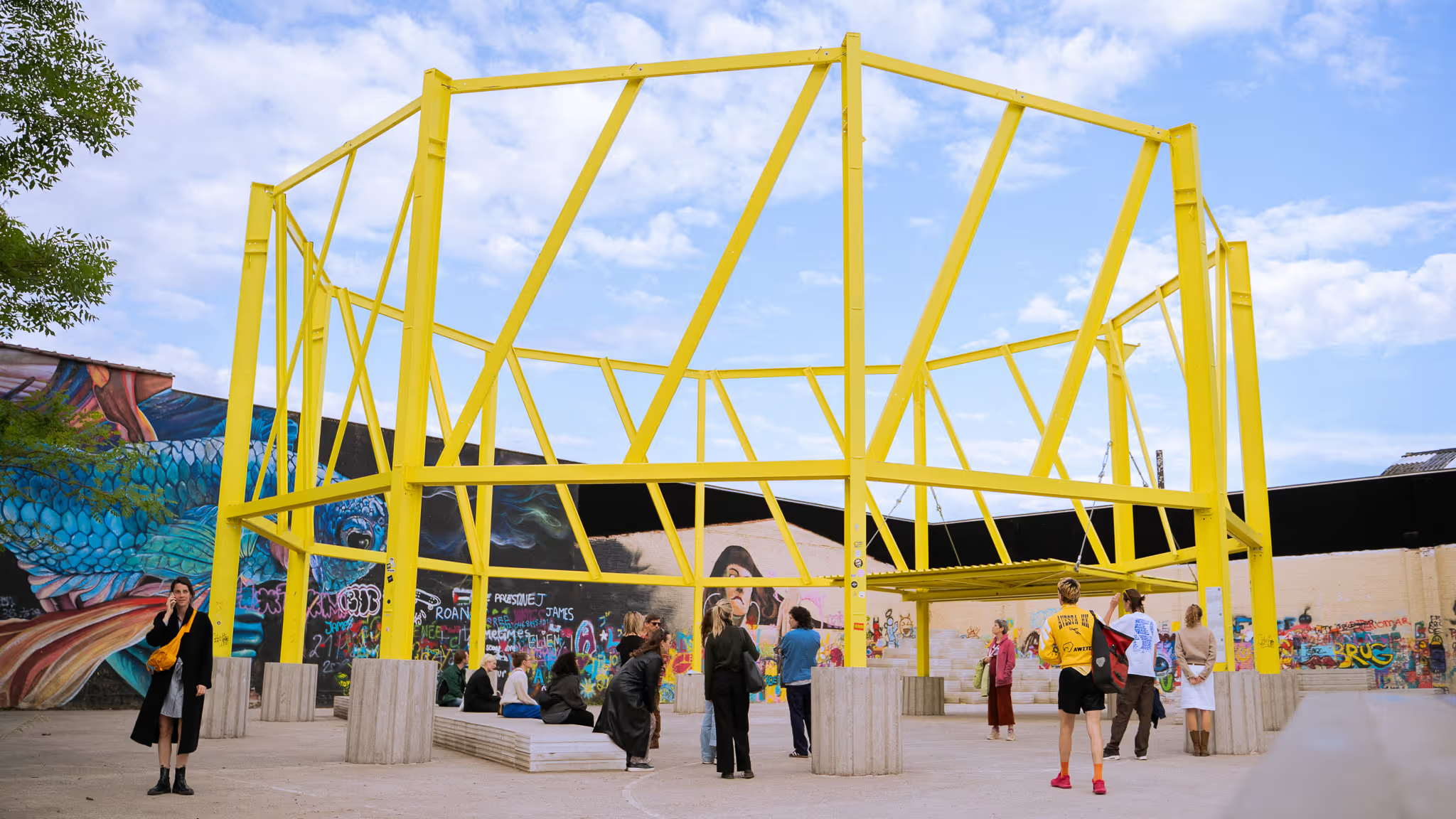
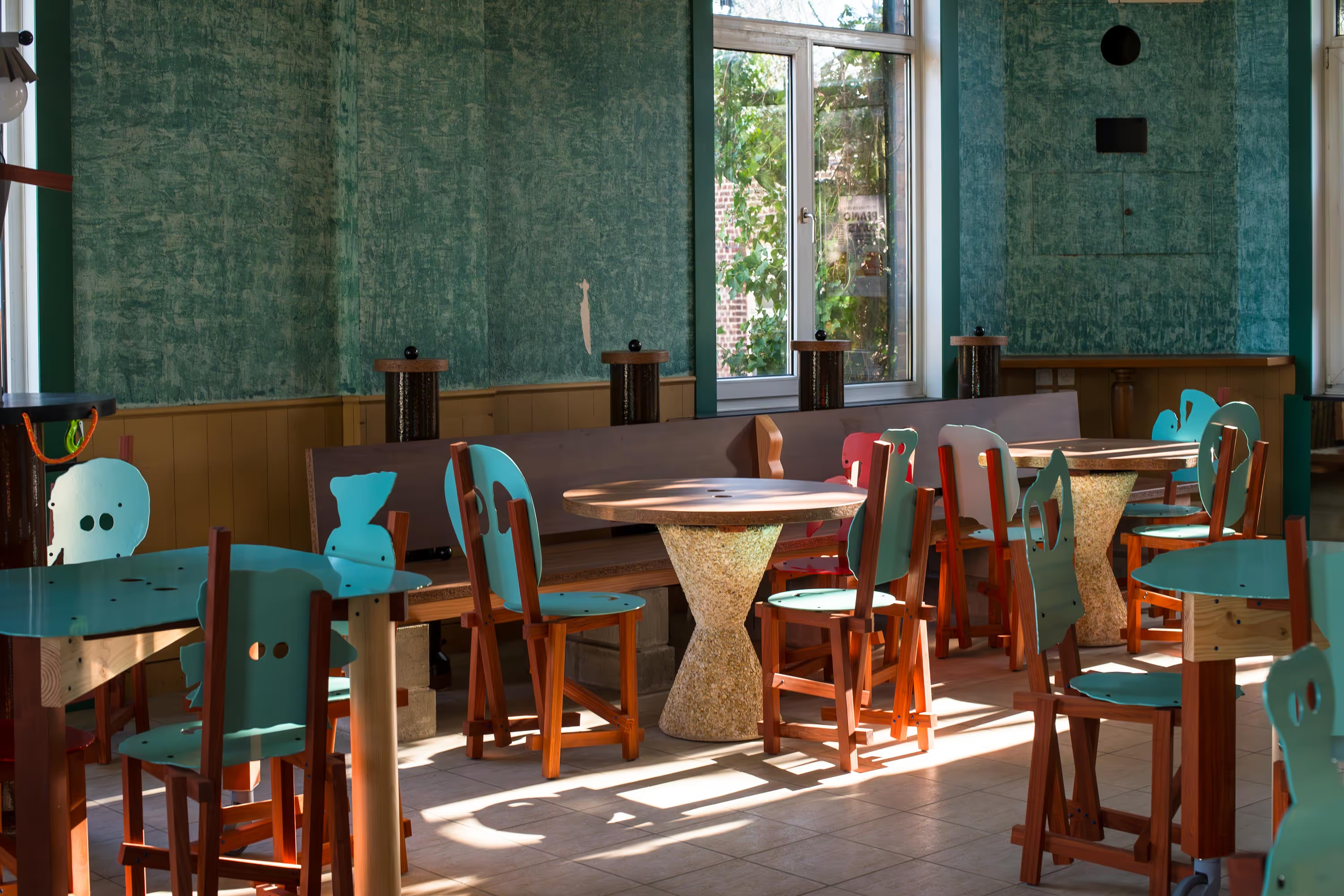
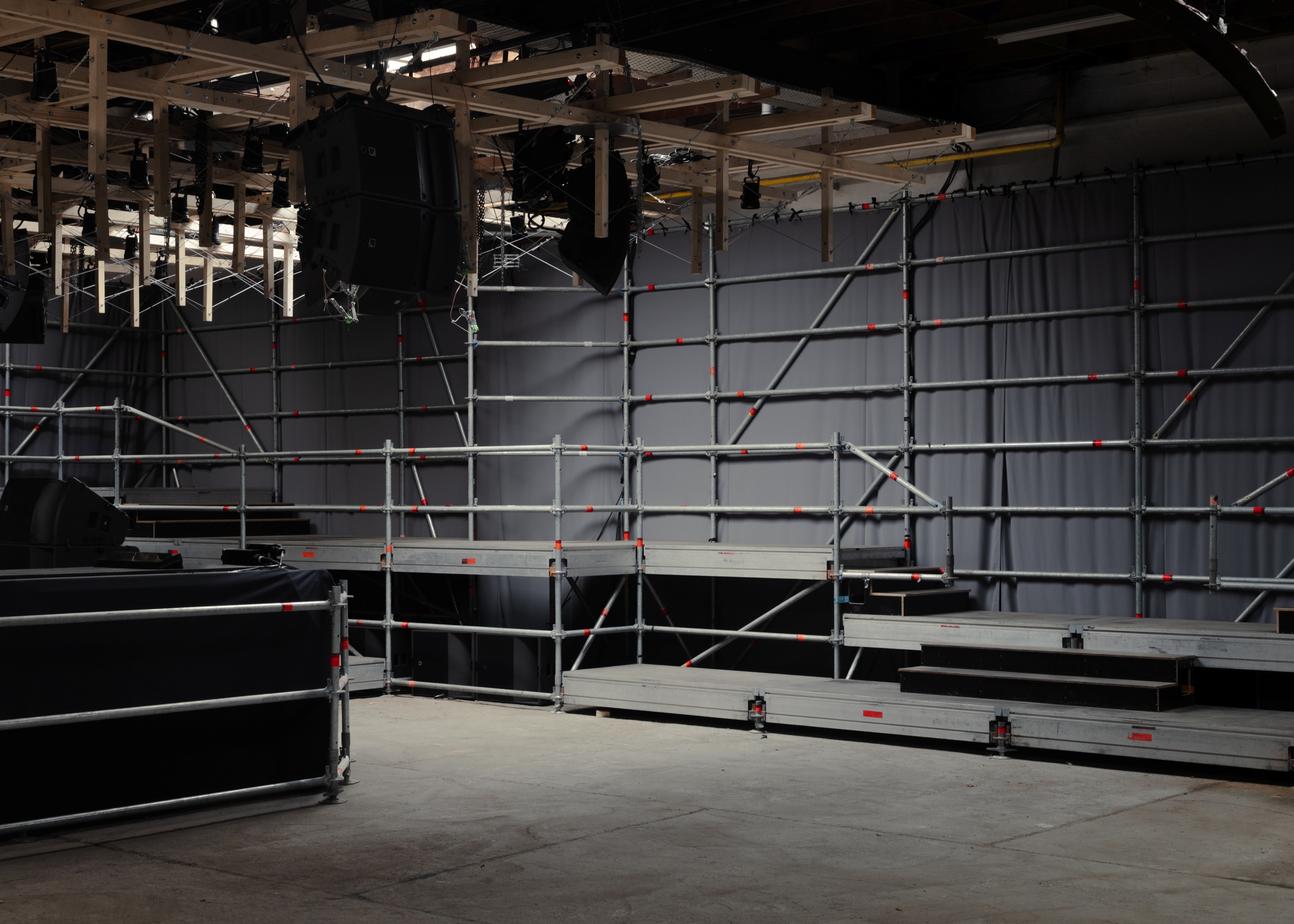
The scenography proposes a delicate balance between interaction and introspection, bridging the gap between the industrial and the ornamental, the soft and the stony, and the brutalist concrete and the plush textile.
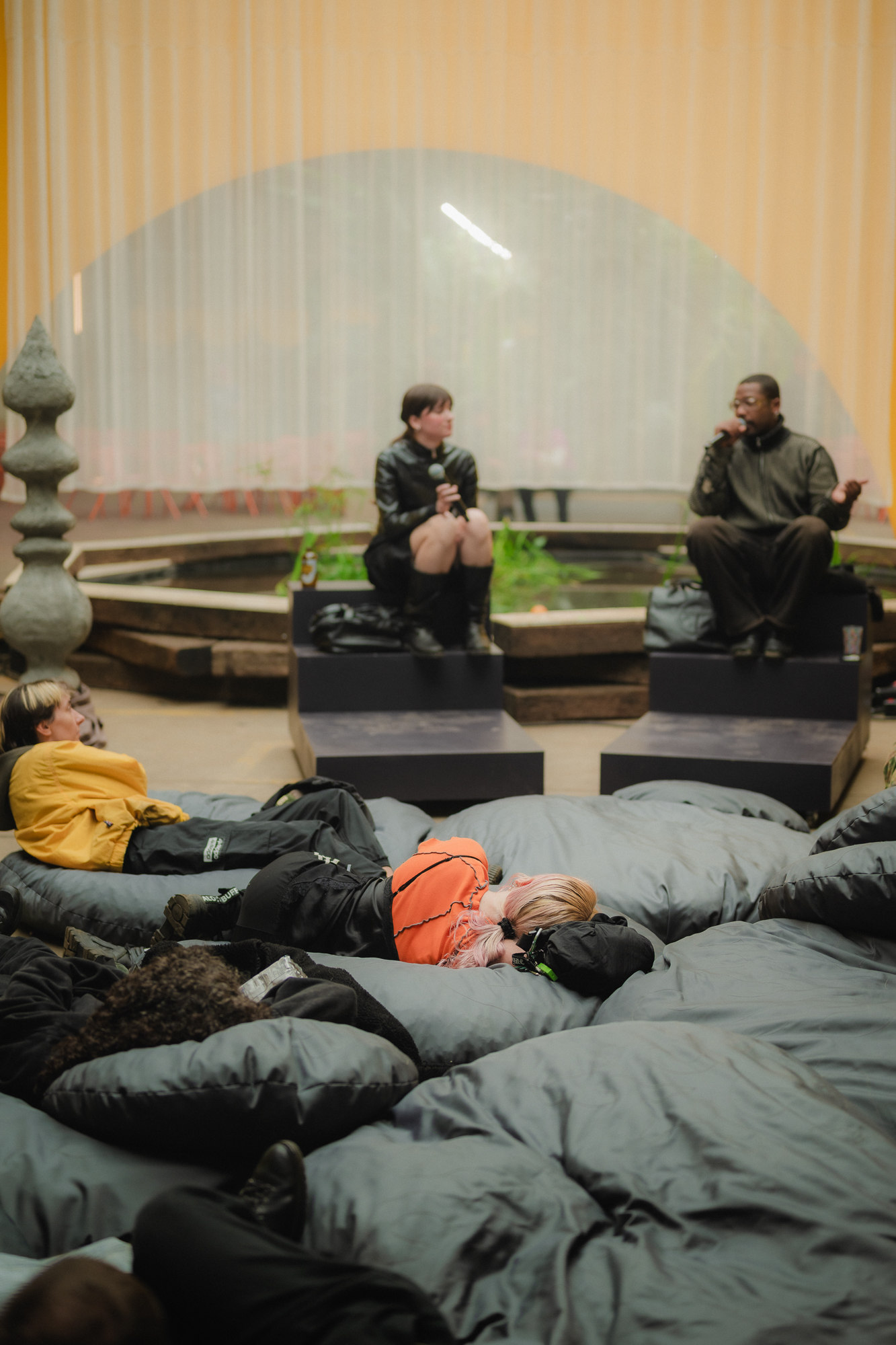
Guided by intuition, the space is designed to feel spontaneous yet deeply intentional. This landscape invites people to slowly immerse themselves in a relief of pillows and tribunes. Speakers and moderators are mixed among the visitors, letting go of traditional borders.
{{images-1}}
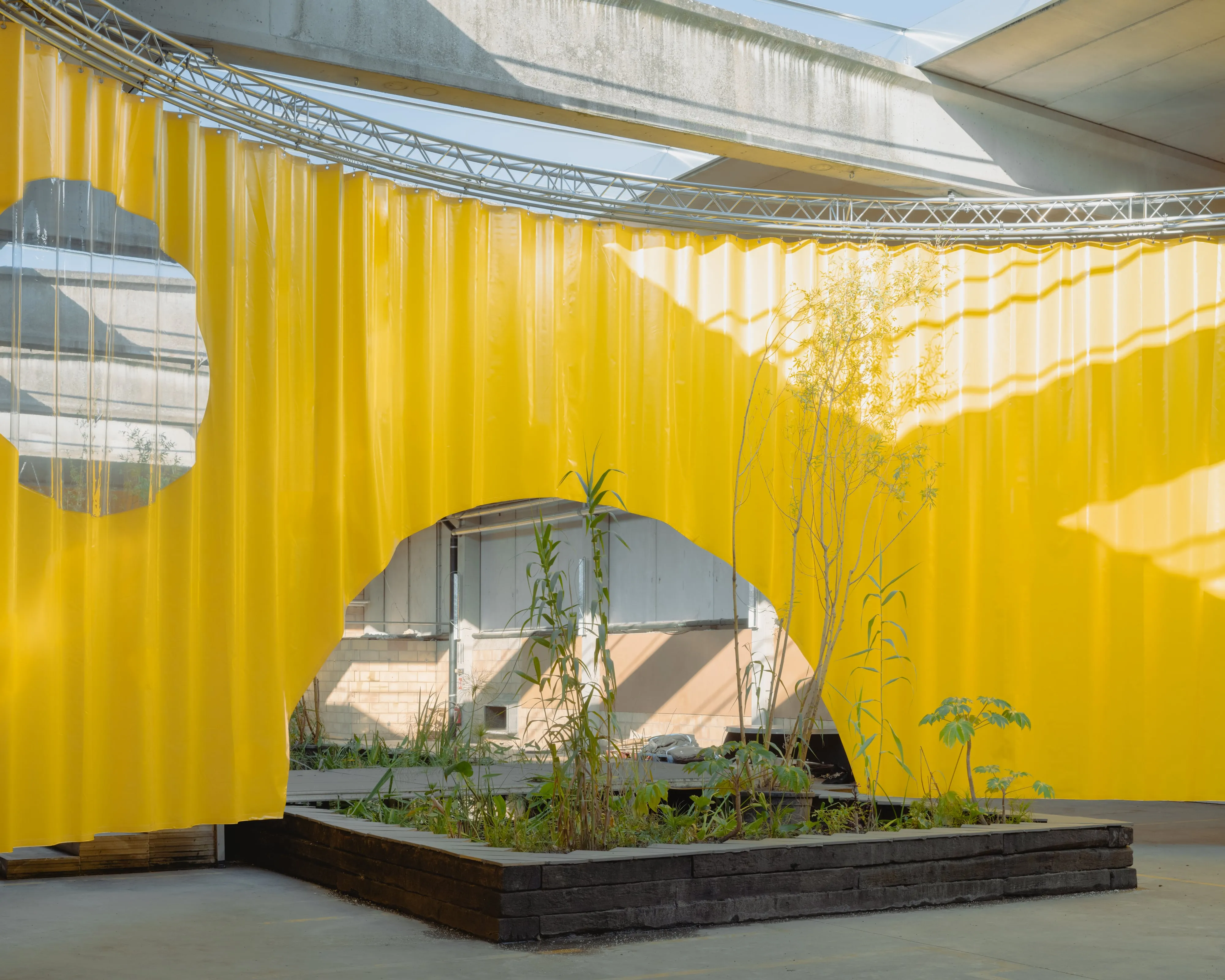
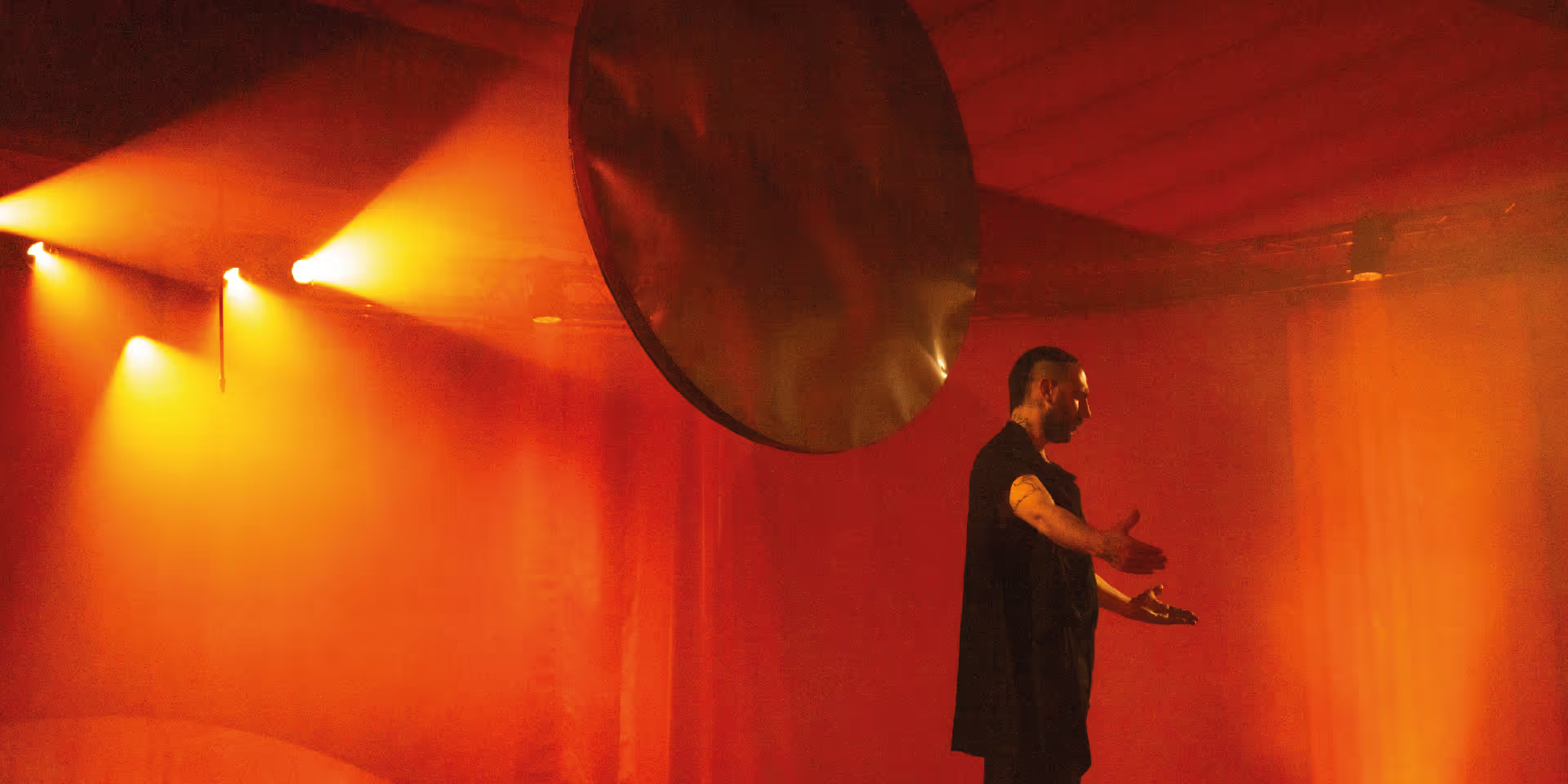
The Acoustics of Cobbles invites you to sit side-by-side or observe one another from across the room, from below, and from above. Within the space carefully enclosed by the yellow curtain, Eline Dewit’s design does not seek to overpower, but to work in harmony with the environment. By pulling the ceiling closer with ornamental and architecturally inspired sculptures, she connects the floor and ceiling through a landscape of levels that provides a space for bouncing questions around.
Brussels-based artist Eline Dewit (1999°, Mechelen, BE) maintains a multidisciplinary practice spanning textiles, ceramics, sculpture, and ephemeral media like sidewalk chalk. Her work is a continuous experimentation with organic linework, layered textures, and the interplay of glazed and painted surfaces. Her work explores the sensory relationship between form and material, guided by a hands-on physical process that translates her internal feelings into tangible objects. Instead of remaining fixed, her motifs travel from one medium to another, weaving a thread of visual continuity throughout her practice. Dewit is no stranger to Horst scenography, having contributed to club projects such as The Womb in 2024.


The rich text element allows you to create and format headings, paragraphs, blockquotes, images, and video all in one place instead of having to add and format them individually. Just double-click and easily create content.
A rich text element can be used with static or dynamic content. For static content, just drop it into any page and begin editing. For dynamic content, add a rich text field to any collection and then connect a rich text element to that field in the settings panel. Voila!
Headings, paragraphs, blockquotes, figures, images, and figure captions can all be styled after a class is added to the rich text element using the "When inside of" nested selector system.

.jpg)


.jpg)

.webp)



.avif)