ON
VIEW
VIEW
Arts 2026
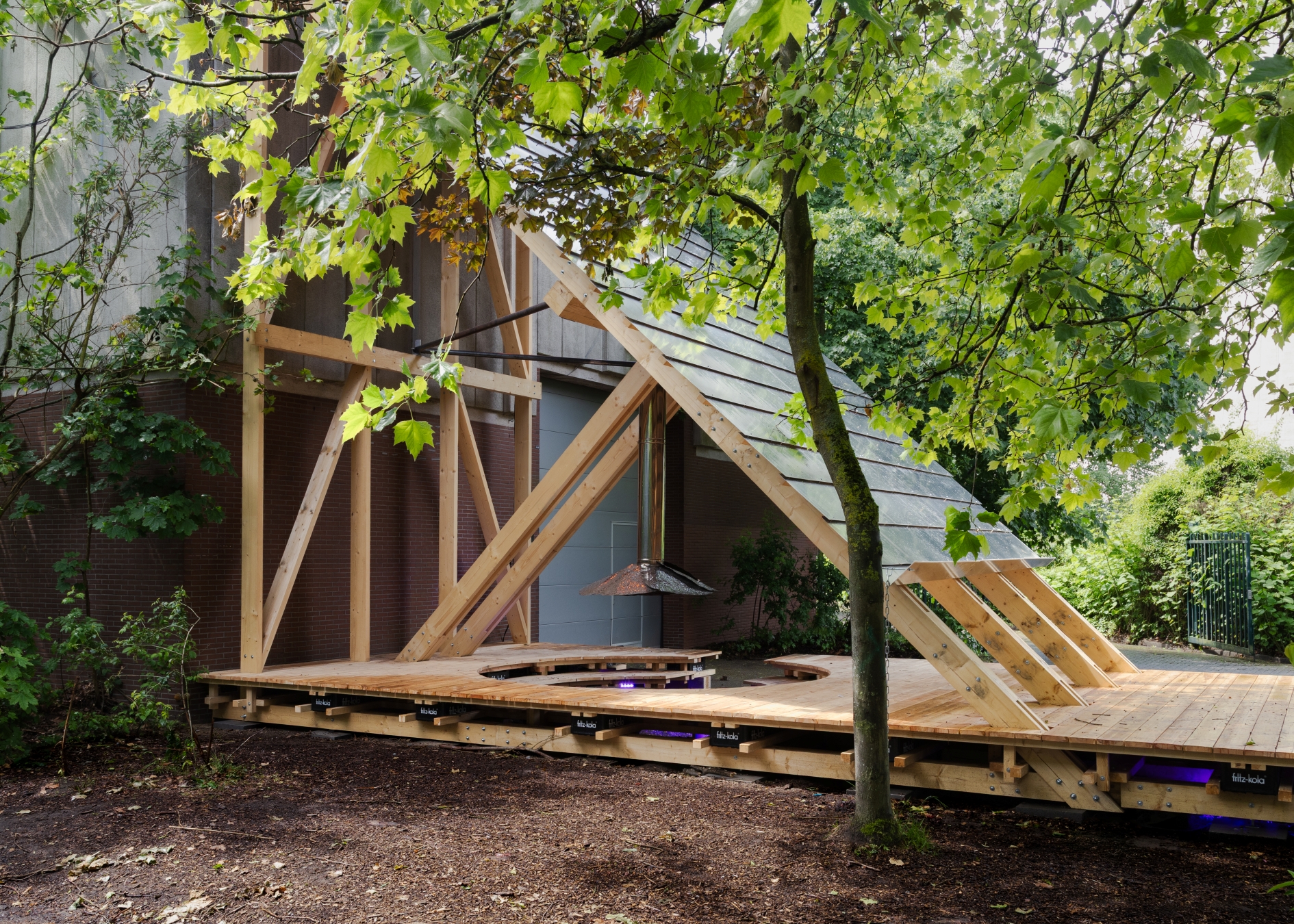
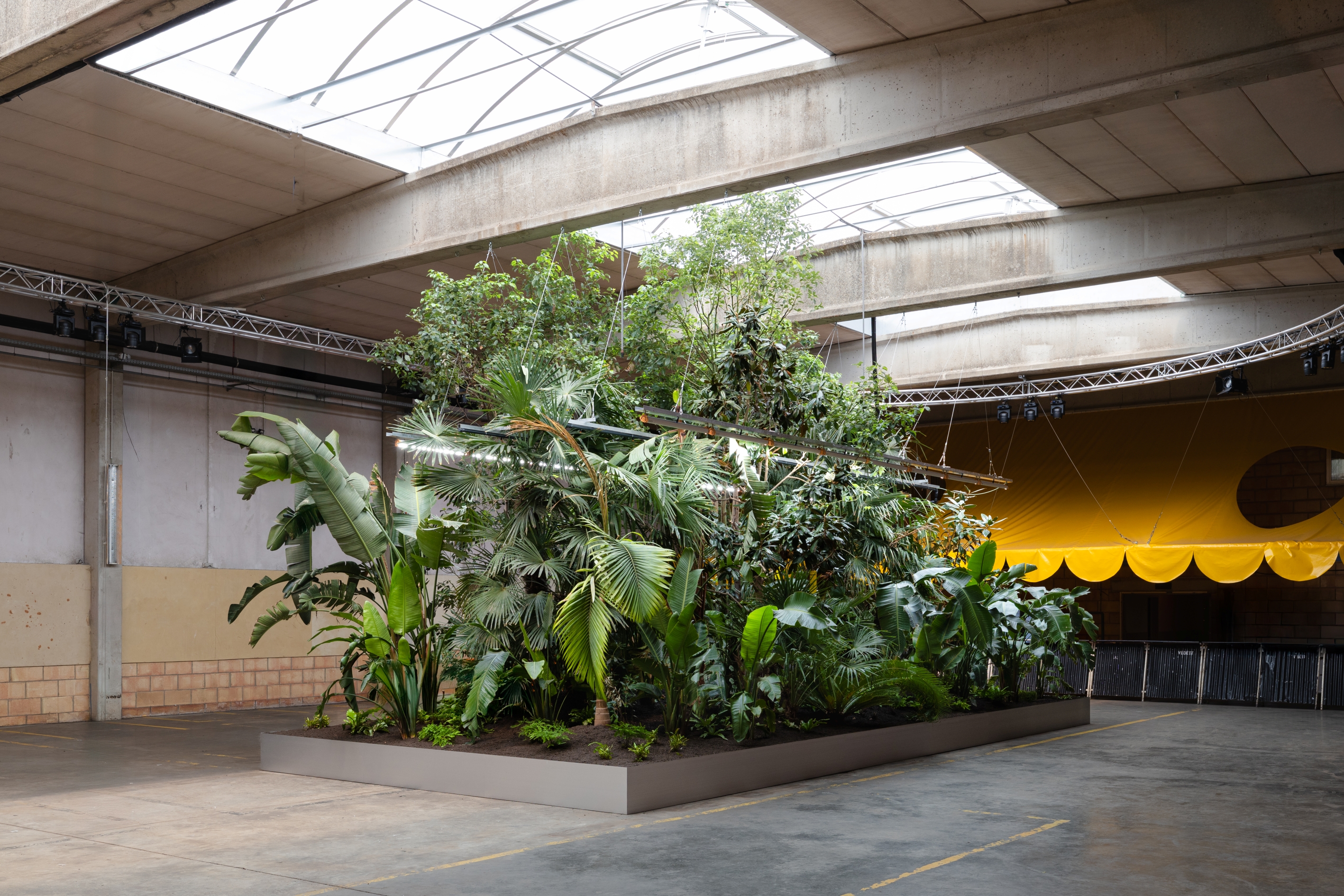
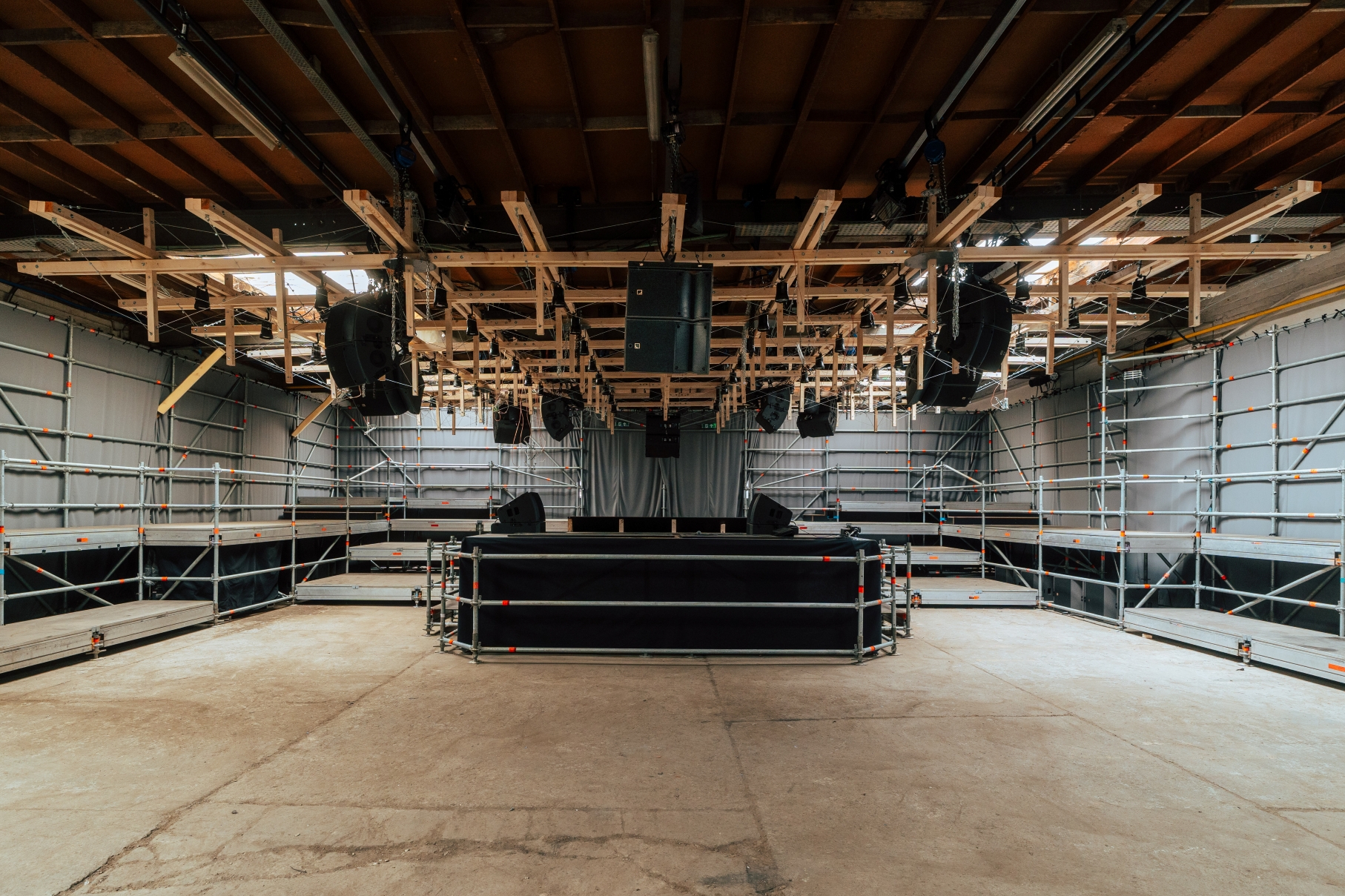
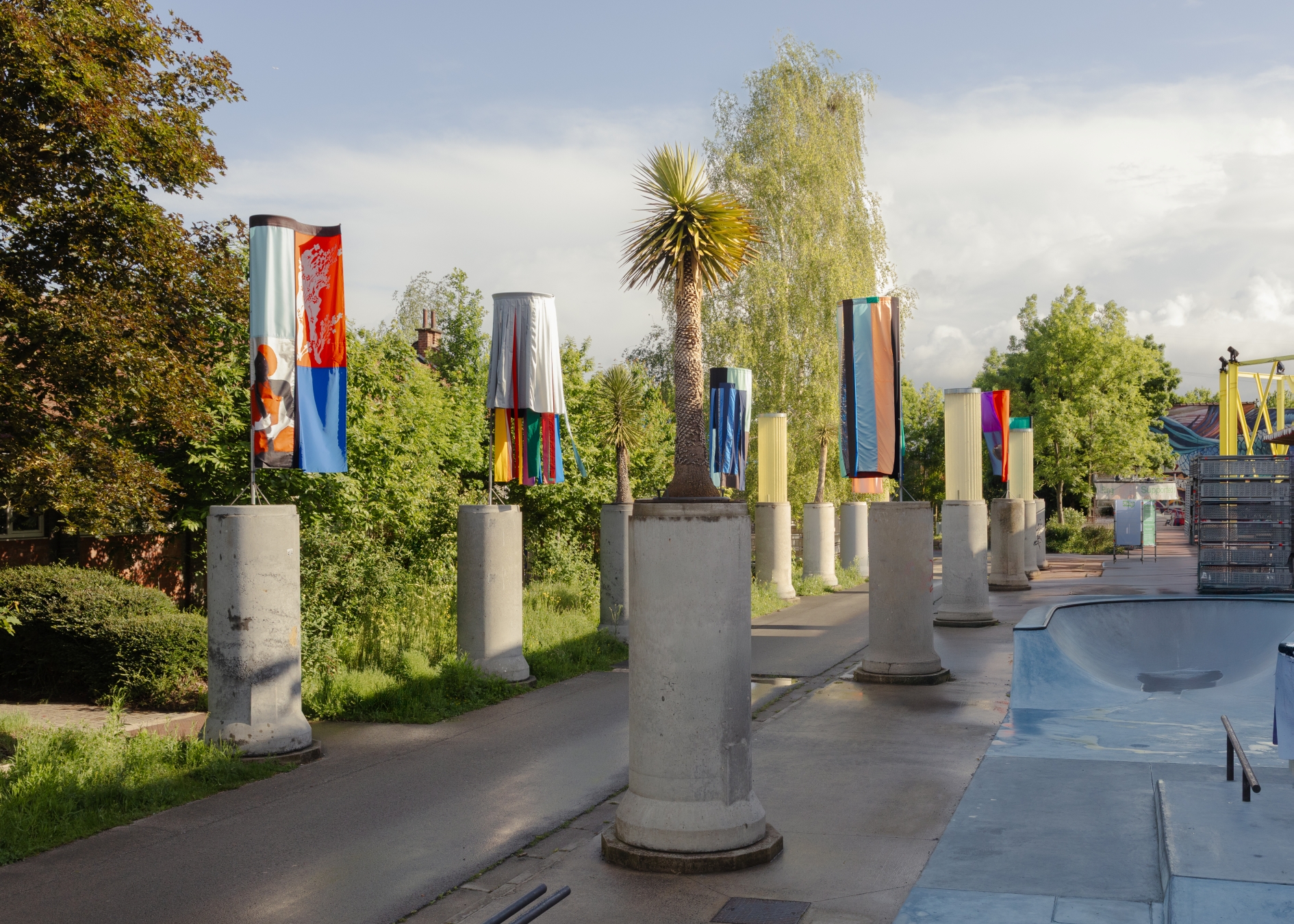
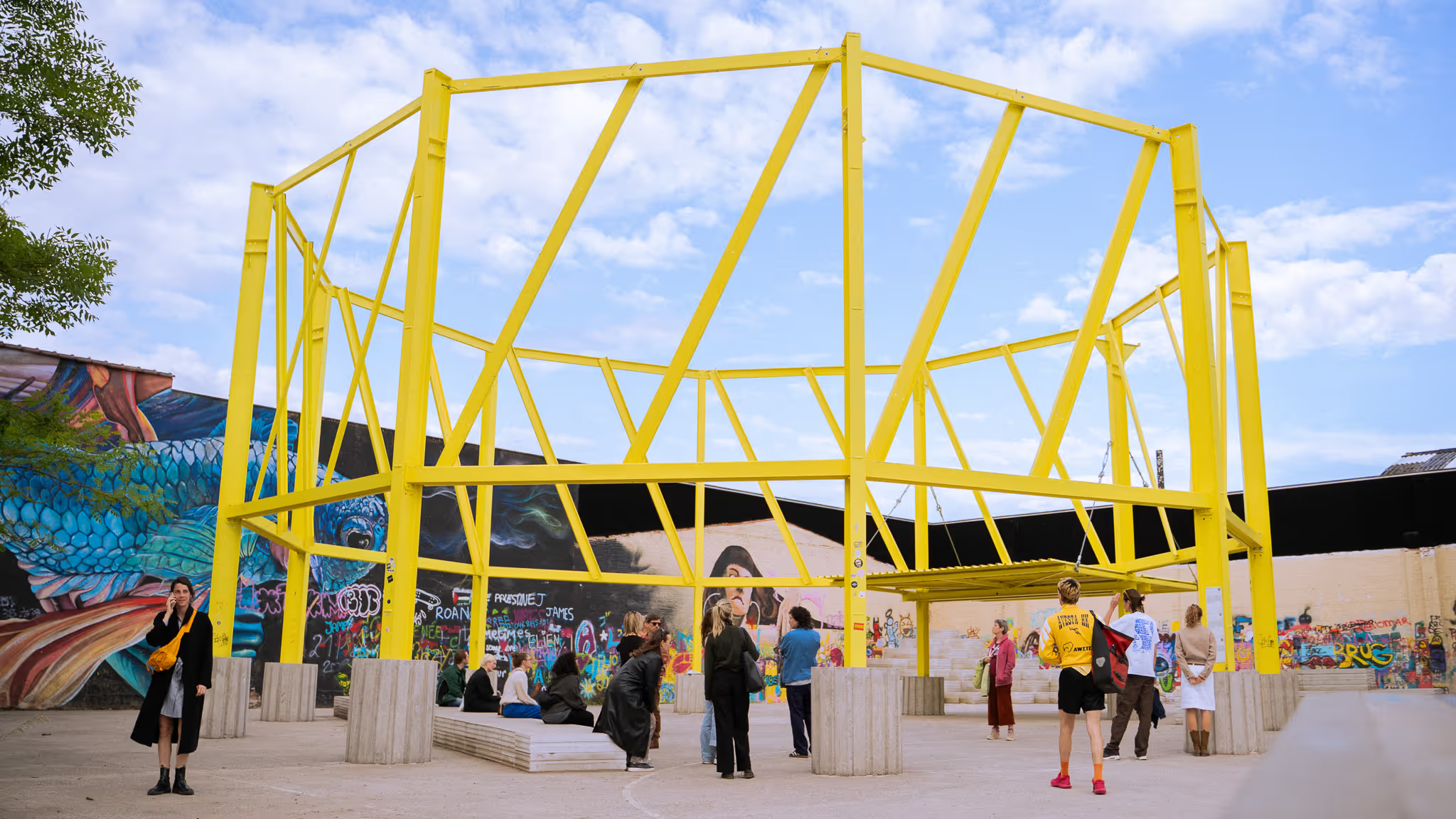
The project draws from the historical notion of the circus as an arena that maximizes crowd visibility and places collective presence at its core.
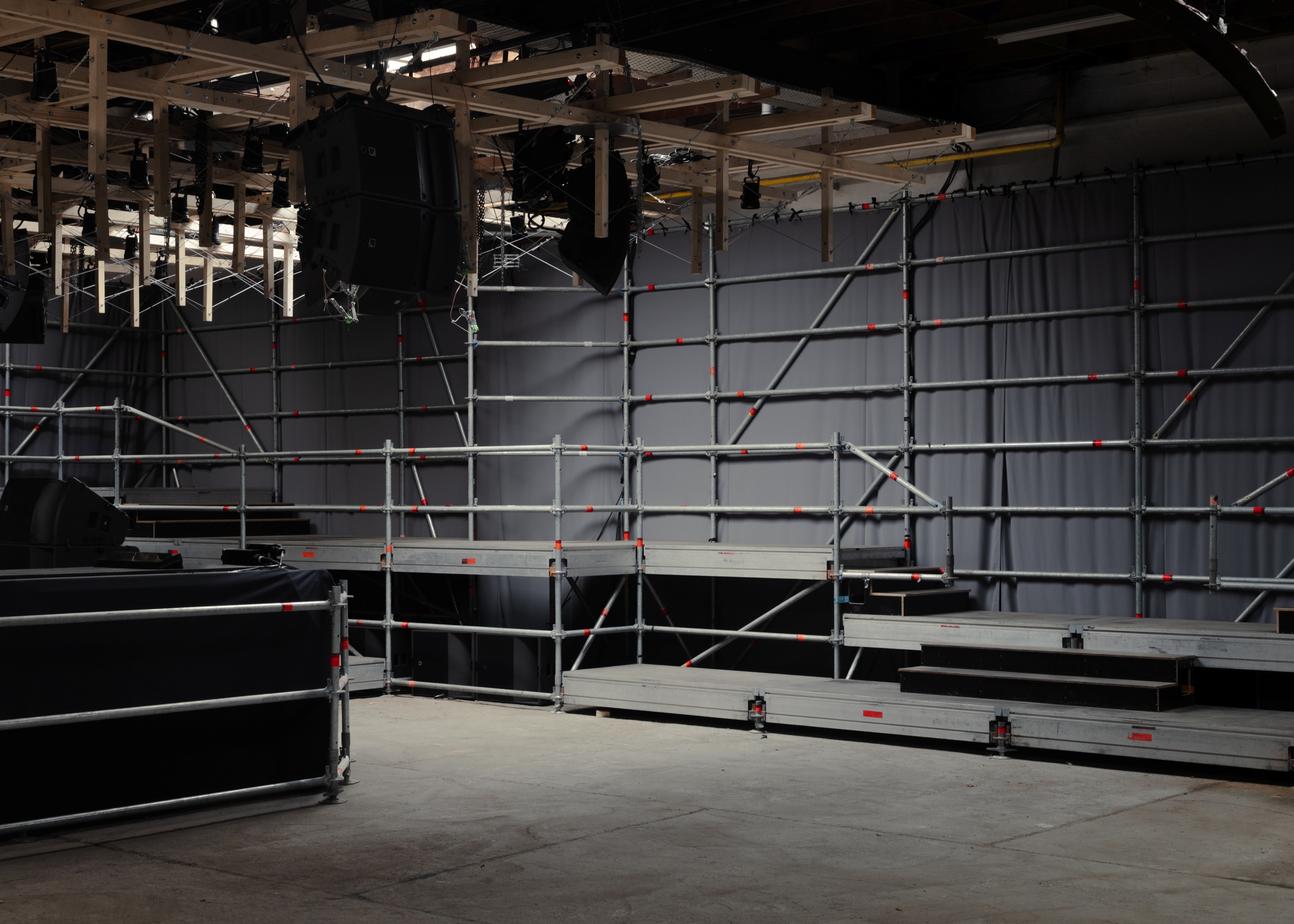
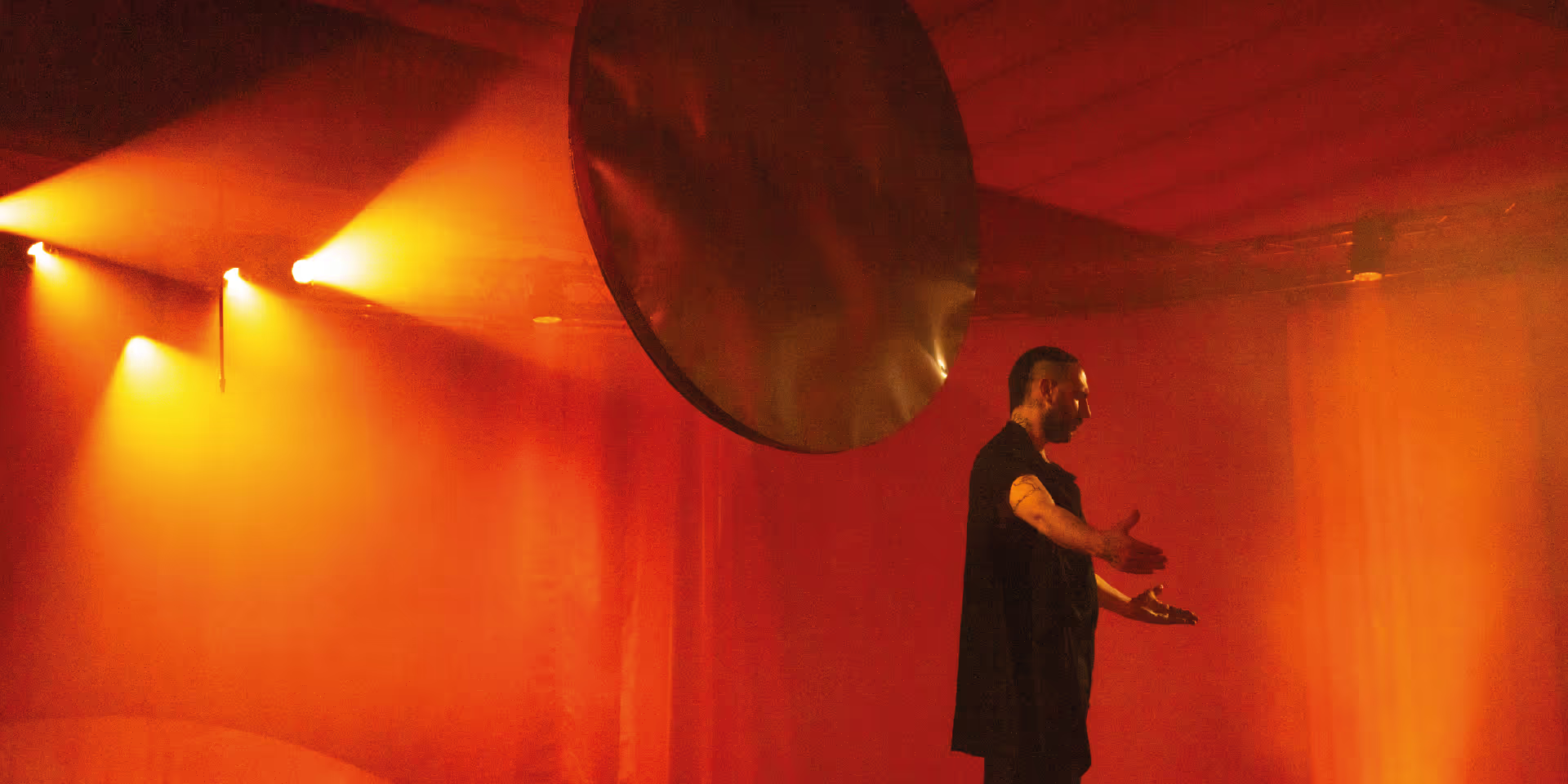
The space is organized as a circular field of bodies, where a landscape of movement unfolds through dance. A topography along the perimeter allows for multiple modes of inhabitation and observation, supporting a continuous choreography of social interactions. In this setting, the crowd becomes both audience and performer, engaging in a shared, introspective experience aligned with the temporality of minimal and micro house music: gradual shifts, long durations, and deep atmospheres.
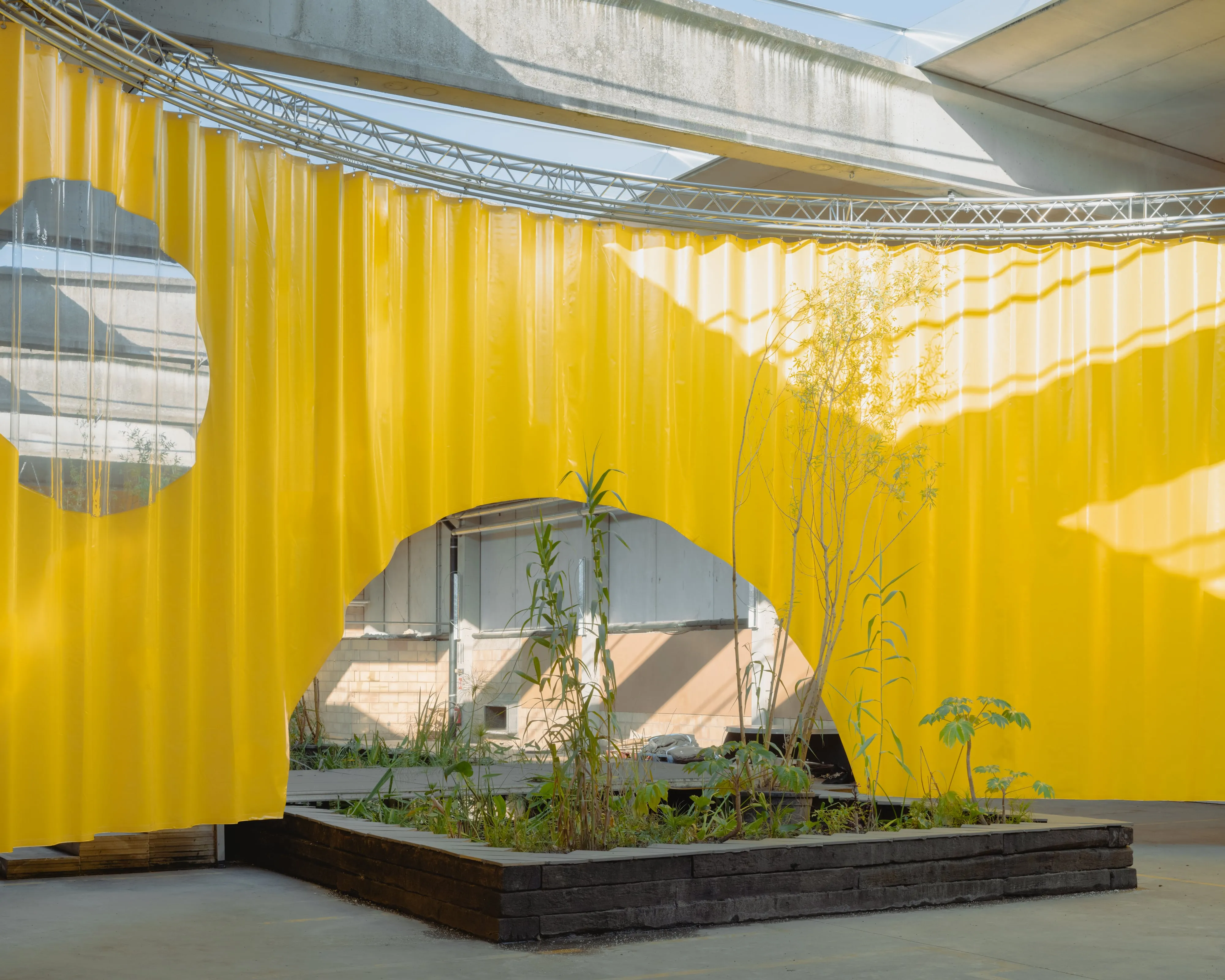
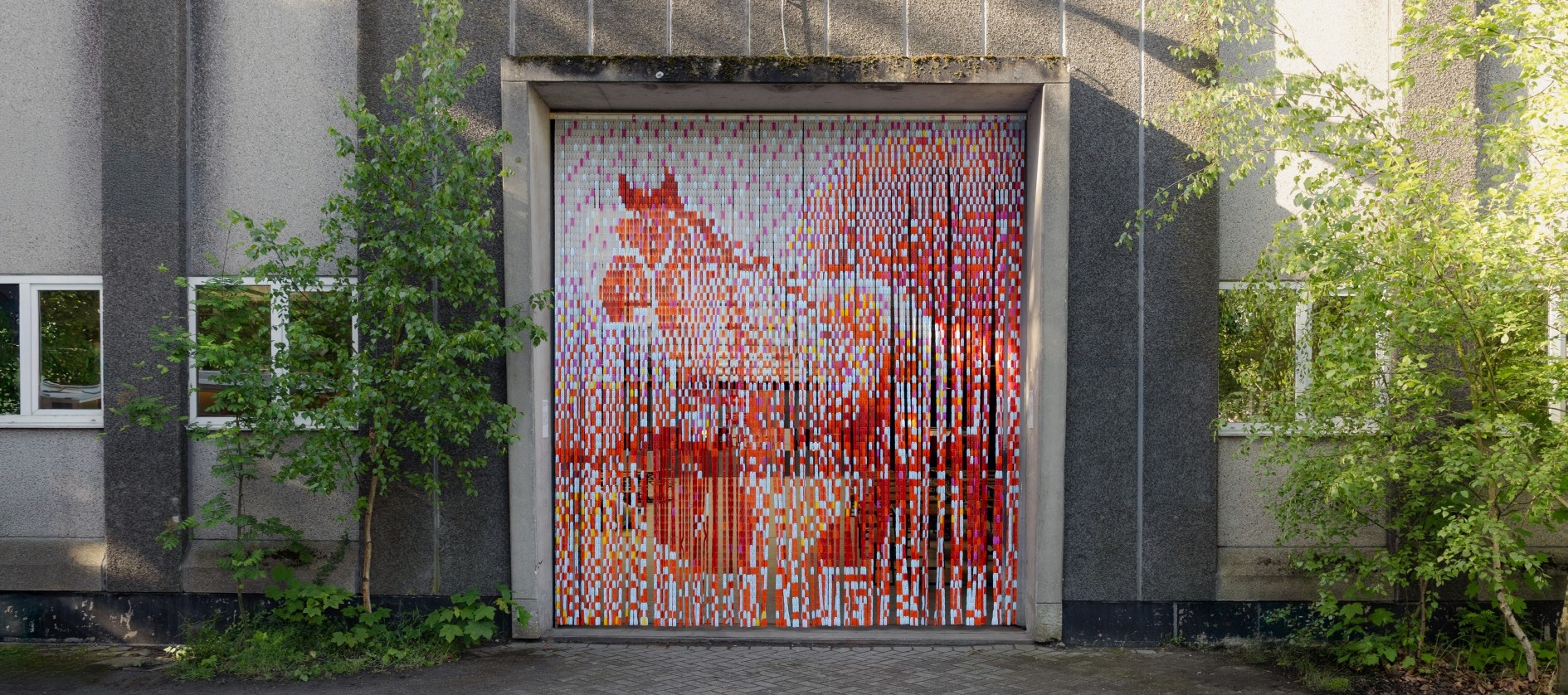
At the center, a large chandelier crowns the space, acting as a responsive device that translates sound into light. A surrounding curtain and a defined entrance façade create a sense of enclosure, marking a threshold between the exterior and an interior state of collective focus.
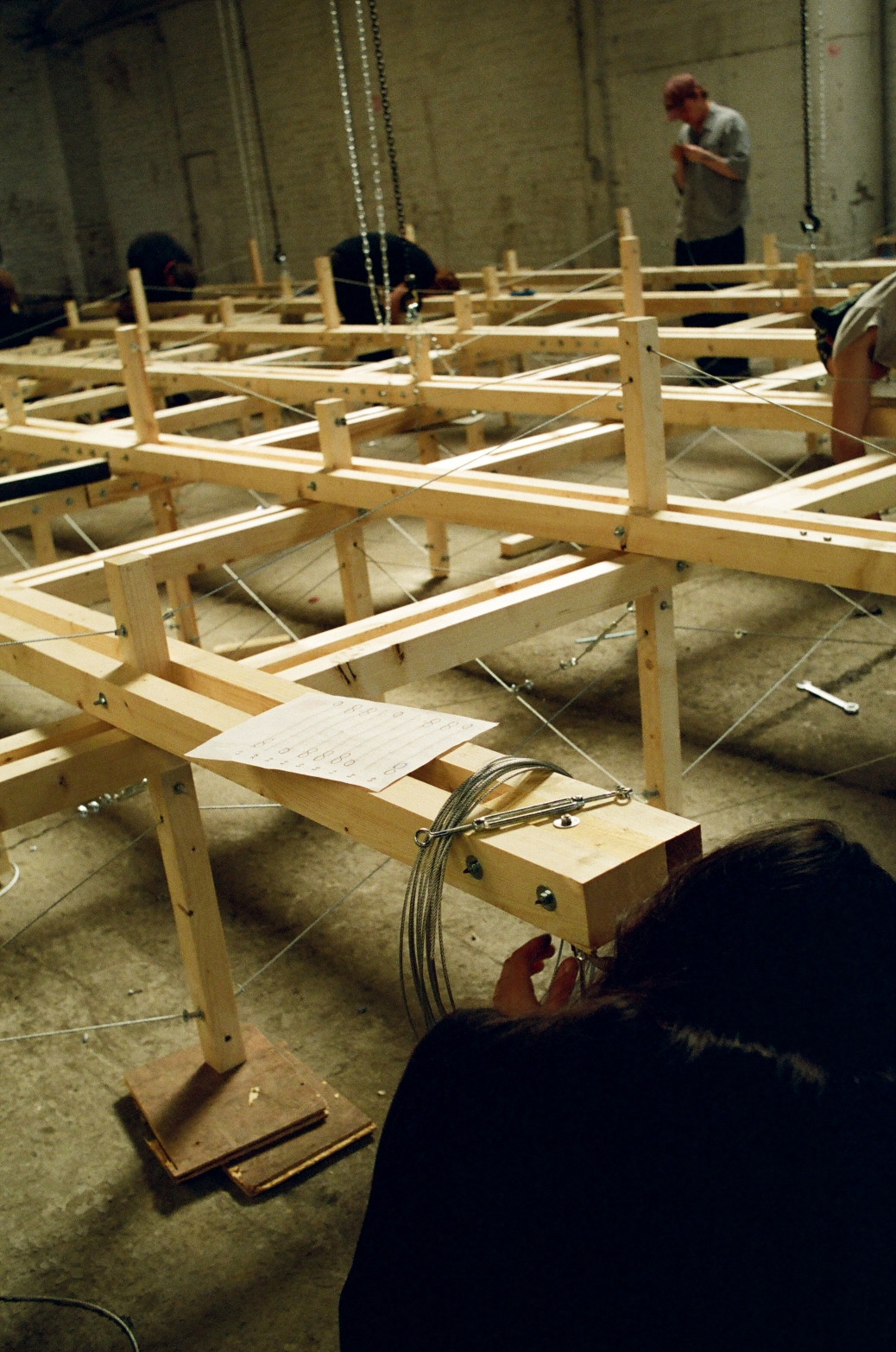
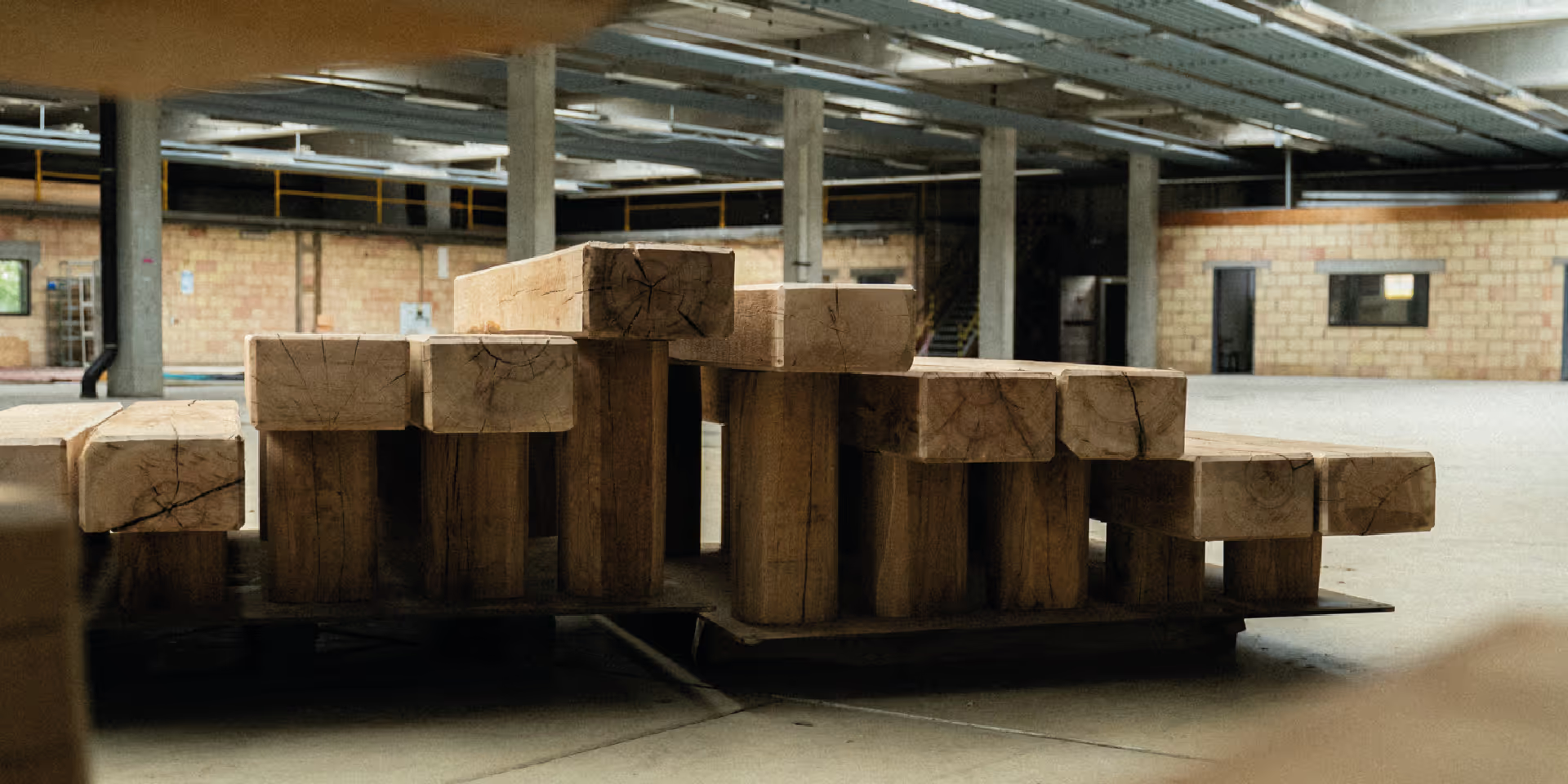
The construction system relies on modular, dry-assembled elements, entirely screwed and free of chemical additives. This allows all components to be disassembled, reused, and reconfigured, extending the life of the project beyond the event itself. Circus, in this sense, is understood as a relational structure: a space for gathering, perception, and shared intensity—a travelling party.
{{images-1}}
Mireia Luzárraga (1981°, Madrid, ES) and Alejandro Muiño (1982°, Barcelona, ES) are the founders of TAKK, an architecture and research studio based in Barcelona and New York. Their practice operates at the intersection of architecture, ecology, and critical theory, exploring how spatial practices can contribute to more equitable forms of living. Mireia Luzárraga is Assistant Professor at Columbia University GSAPP in New York, where she teaches in the core design sequence, and together with Alejandro Muiño they have served as visiting professors at the University of Tokyo. Through built projects, exhibitions, and research, TAKK integrates feminist, ecological, and more-than-human perspectives to question dominant models of production, habitation, and resource extraction, proposing alternative architectural imaginaries grounded in care, coexistence, and environmental responsibility.
TAKK’s work includes built projects, exhibitions, research, and curatorial initiatives, and has been recognized through awards and shortlists such as the FAD Awards, Premio COAM, Premis Temps de les Arts, and the European Union Prize for Contemporary Architecture – Mies van der Rohe Award. Their work has been exhibited internationally and is part of the permanent collections of institutions including Mudac Lausanne, Vitra Design Museum, FRAC Centre–Val de Loire, and Disseny Hub Barcelona.
Collaborator: Lucas Vierkötter
{{images-2}}


The rich text element allows you to create and format headings, paragraphs, blockquotes, images, and video all in one place instead of having to add and format them individually. Just double-click and easily create content.
A rich text element can be used with static or dynamic content. For static content, just drop it into any page and begin editing. For dynamic content, add a rich text field to any collection and then connect a rich text element to that field in the settings panel. Voila!
Headings, paragraphs, blockquotes, figures, images, and figure captions can all be styled after a class is added to the rich text element using the "When inside of" nested selector system.


.webp)
.avif)




.jpg)
.jpg)